Best Picks
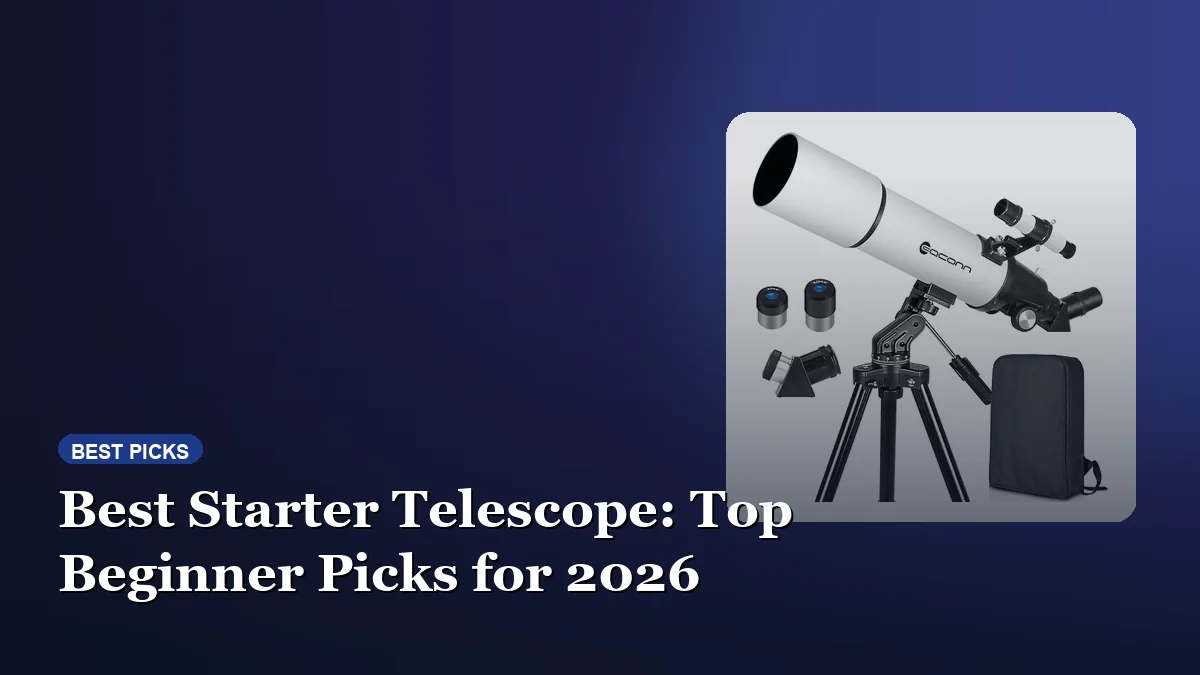
Best Starter Telescope: Top Beginner Picks for 2026
Discover our expert editorial comparisons to find the ideal stargazing instrument for your backyard adventures and planetary viewing sessions.
Read best picks →Independent Telescope Reviews, Optical Magnification Calculators & Backyard Astronomy Guides. Zero pay-to-play rankings, verified specs, and free interactive tools.
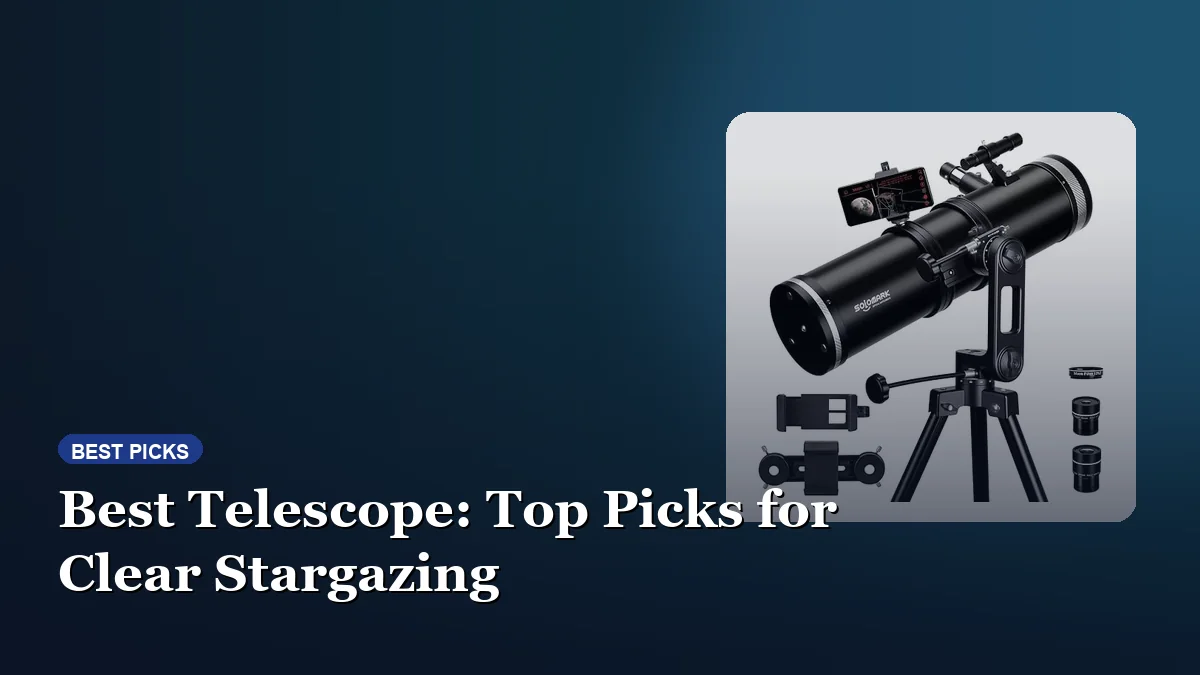
We compare top amateur stargazing setups to help you map the night sky with absolute clarity, evaluating optical power, mount stability, and everyday usability for b
Read Flagship Guide →Discover our expert editorial comparisons to find the ideal stargazing instrument for your backyard adventures and planetary viewing sessions.
Read best picks →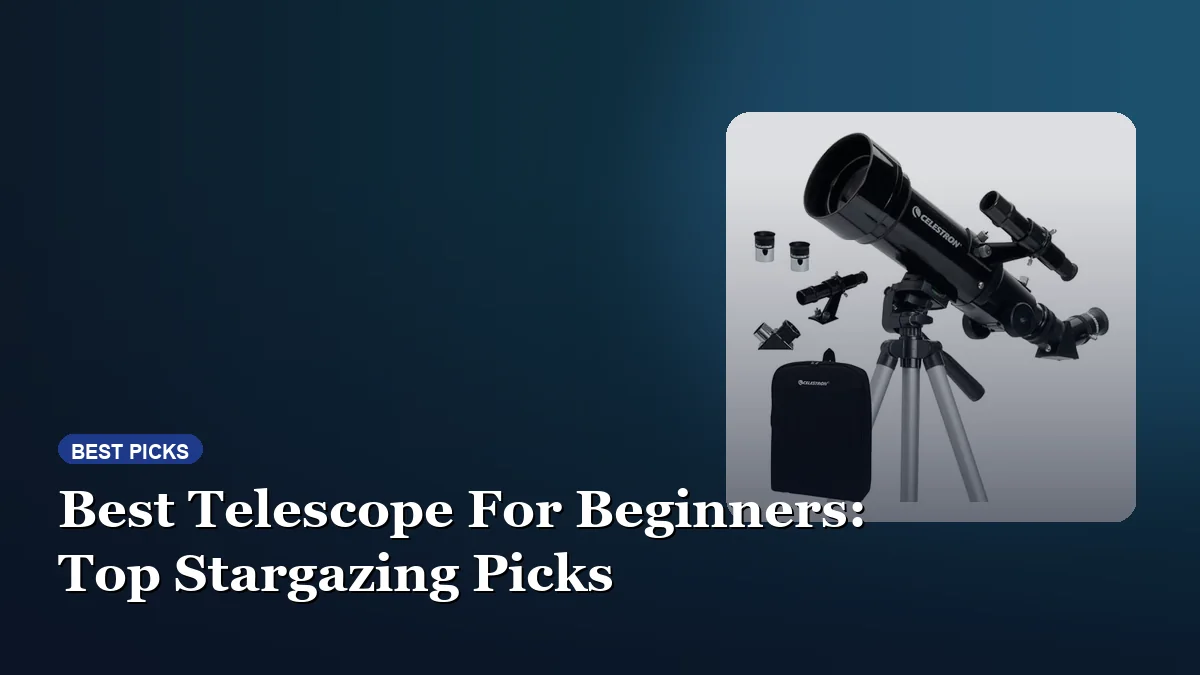
Discover the top beginner telescopes tested for optical clarity, ease of setup, and overall stargazing value.
Read best picks →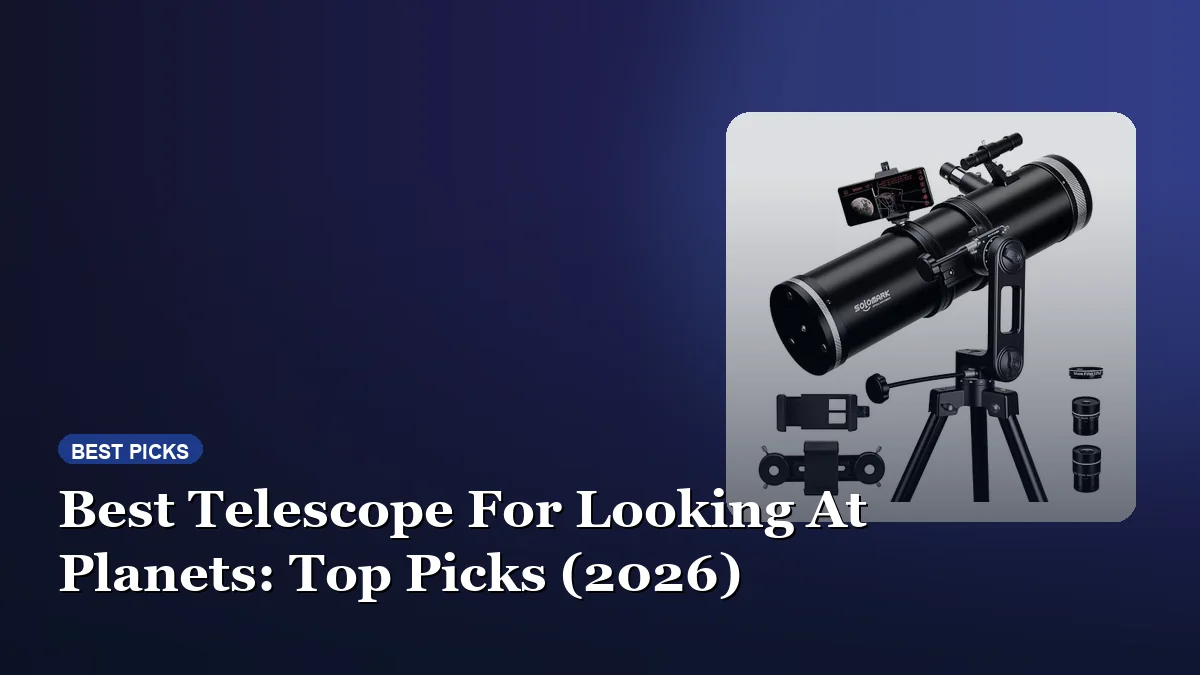
We compare top-rated stargazing gear to help you capture crystal-clear views of distant worlds right from your backyard.
Read best picks →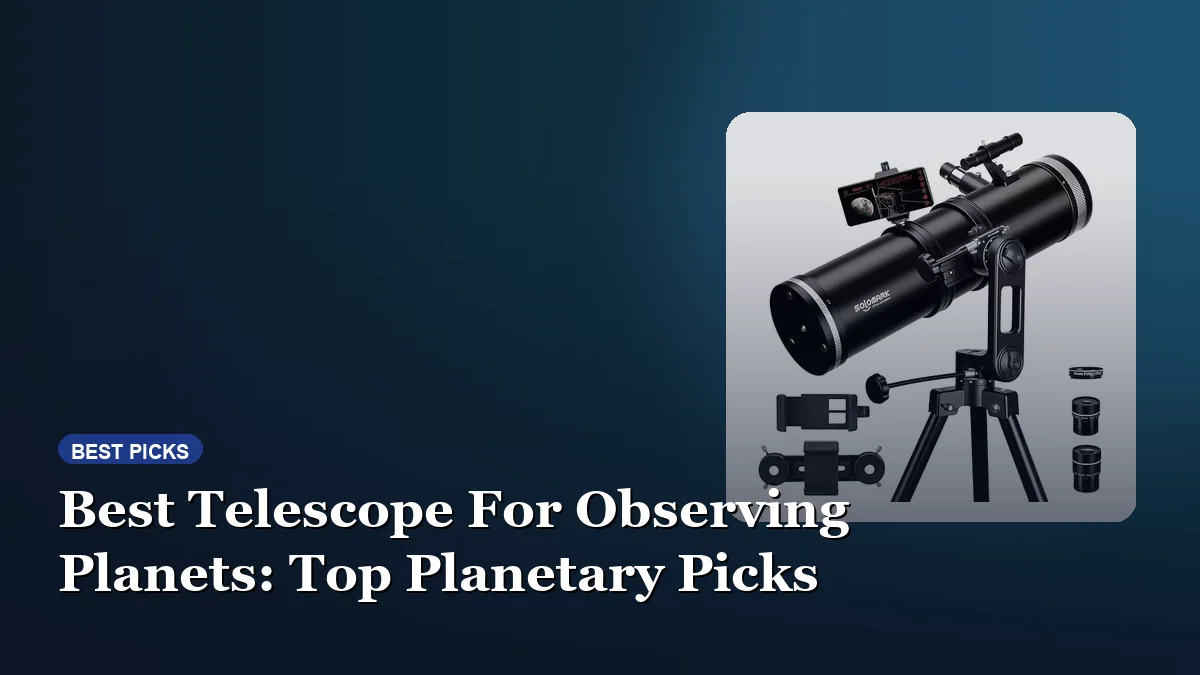
We evaluate top stargazing instruments to help US amateur astronomers find the best telescope for observing planets with crystal-clear magnification.
Read best picks →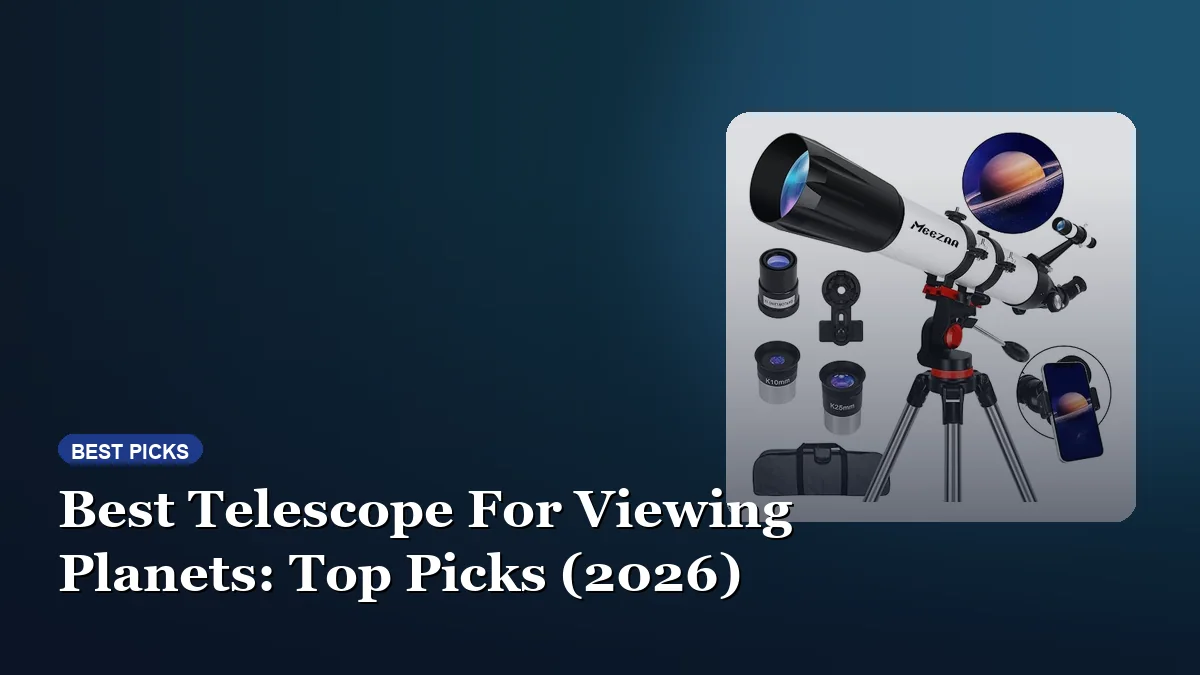
We compare the top-rated stargazing instruments to help you capture crisp, detailed views of planetary bodies from your own backyard.
Read best picks →
This 130mm Newtonian reflector combines capable optics with a motorized equatorial mount. However, balancing requires patience from novice astronomers.
Read reviews →
This Newtonian reflector pairs capable aperture with an equatorial tracking mount. However, mechanical compromises require careful setup and patient manual tuning.
Read reviews →
This iconic orange-tube telescope pairs massive 8-inch optics with automated GoTo tracking. However, its single-fork mount demands careful power management during…
Read reviews →
This iconic orange-tube setup balances robust 8-inch aperture performance with automated GoTo tracking. However, its single-fork arm requires careful power…
Read reviews →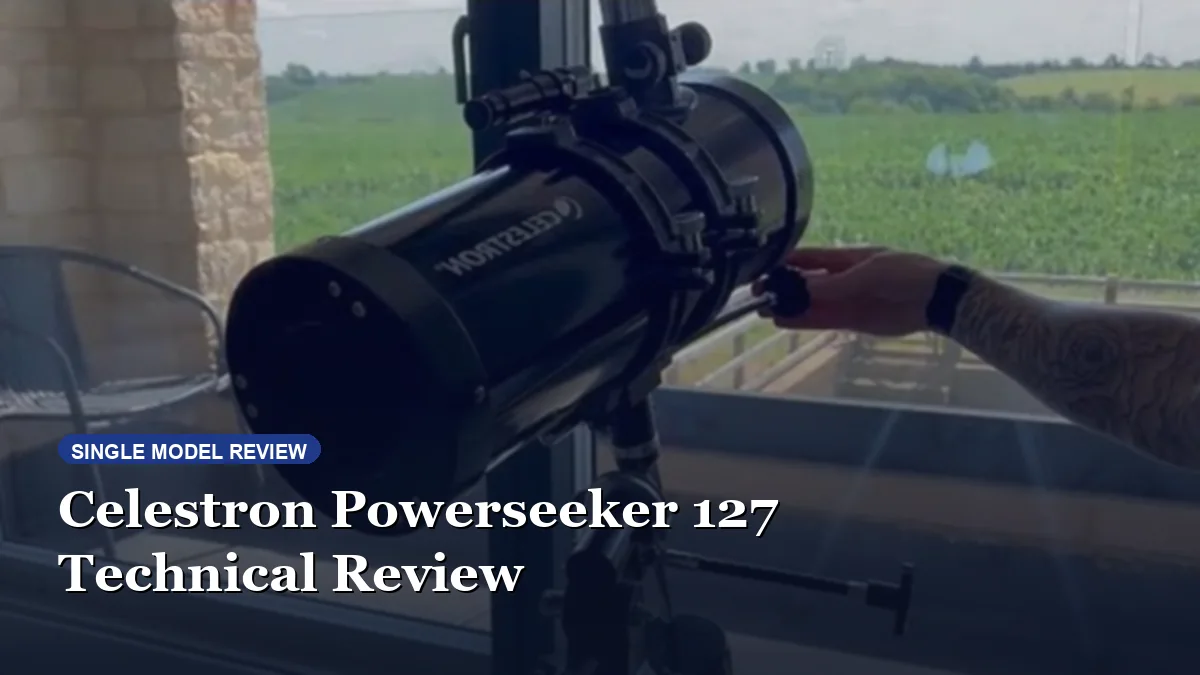
This entry-level Newtonian reflector combines a 127mm aperture with a manual equatorial mount. It offers high light gathering capacity alongside notable mechanical…
Read reviews →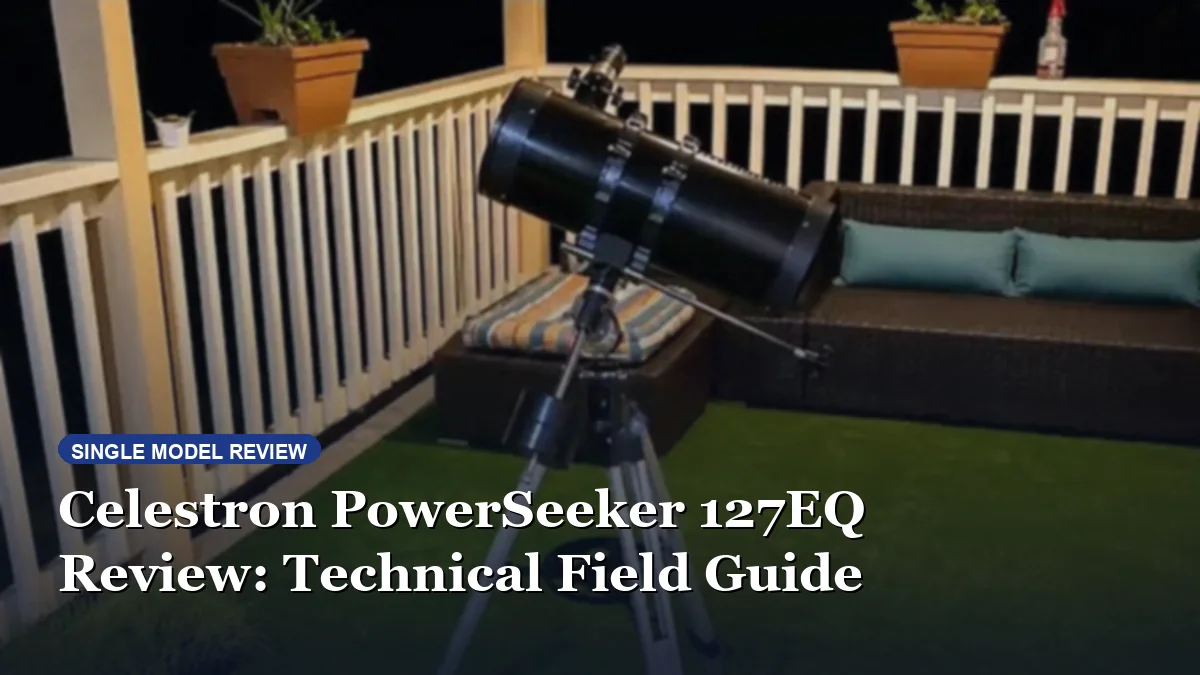
This affordable Newtonian reflector offers strong light-gathering capacity for entry-level astronomy enthusiasts. Users must manage manual equatorial tracking and…
Read reviews →
Choosing between lens-based refractor systems and mirror-based reflector telescopes defines your astronomy experience. This technical guide contrasts their core…
Read comparisons →
Choose your optical architecture wisely for stellar observations. This technical guide contrasts reflecting versus refracting systems for serious astronomers.
Read comparisons →
Choosing between these optical twins depends entirely on your mount preference. Evaluate stability and portability before buying.
Read comparisons →
Choosing between these popular catadioptric designs depends on focal length, thermal adaptation time, and deep-sky imaging goals. Understanding their unique…
Read comparisons →
Understanding the core distinctions between these reflector designs helps optimize your visual astronomy setup. Choosing the right optical tube and mount…
Read comparisons →
Choosing between portability and aperture requires careful optical analysis. This guide compares real-world mechanics and performance.
Read comparisons →
Understanding optical math ensures optimal eyepiece pairing. Accurate calculations prevent blurry views during viewing sessions.
Read guides →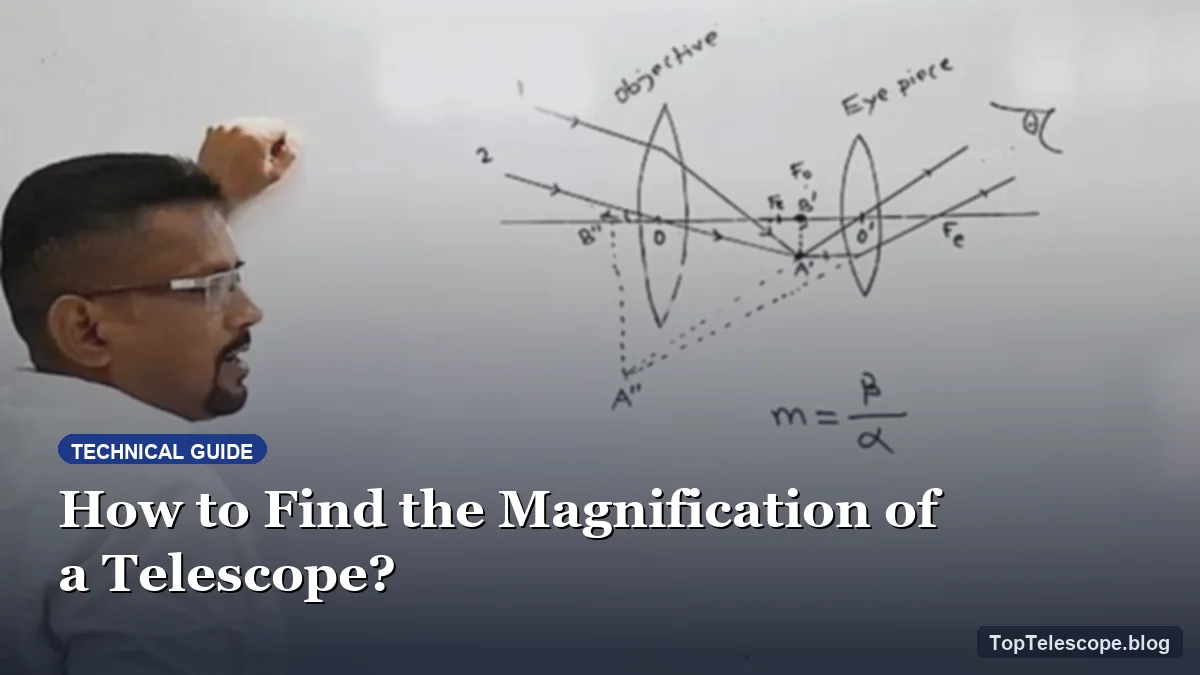
Master the mathematical formula for telescope magnification. Ensure precise field performance under varying atmospheric seeing conditions.
Read guides →
Proper optical alignment is essential for achieving sharp planetary and deep-sky focus. This technical guide outlines precise steps for balancing reflector optics.
Read guides →
Discover the genuine optical capabilities of small refractors. Master aperture physics to observe lunar craters, planetary bands, and bright star clusters with…
Read guides →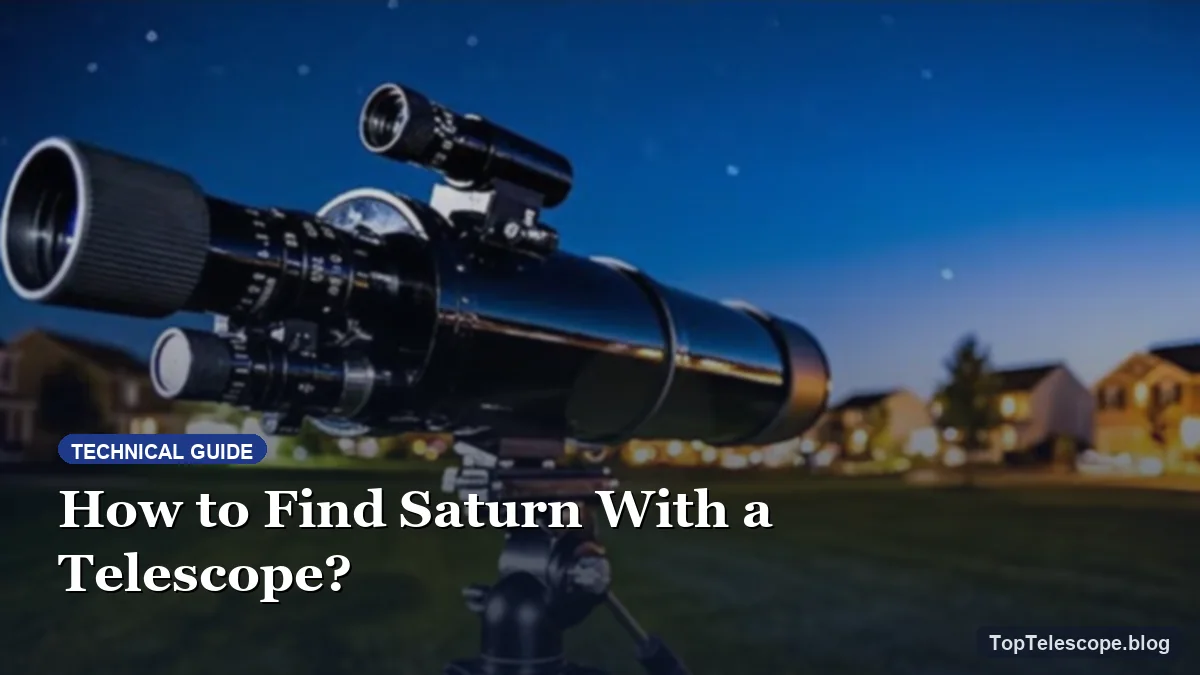
Locate the ringed gas giant with precision optical alignment and correct magnification ratios. Master star-hopping methods for clear planetary viewing sessions.
Read guides →
Unlock smartphone-assisted celestial navigation with this technical guide. Master alignment procedures and optical adjustments for precision stargazing.
Read guides →