How to Store a Telescope Long-Term?
Proper preparation prevents optical degradation and mechanical failure during extended storage periods. Implementing strict environmental controls ensures your precision instrument remains ready for future astronomical observations.

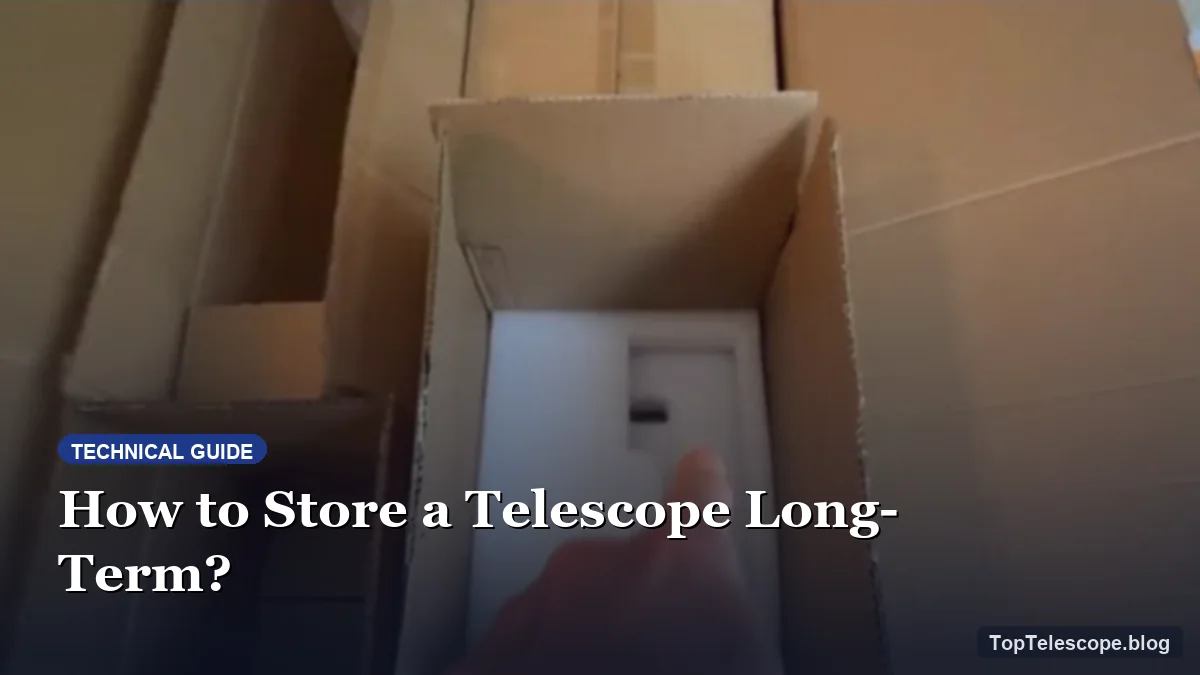
Store optical tubes in a temperature-stable environment with relative humidity kept strictly below forty percent to prevent destructive fungal blooms on coated lens surfaces.
Ready to compare models? Start with our Best Telescope: Top Backyard Picks for Astronomy.
Practical Quick-Reference Table
| Scenario / Metric | Recommended Target | Why It Matters |
|---|---|---|
| Relative Humidity | Under 40 percent | Prevents optical fungus and metal oxidation |
| Storage Temperature | 15°C to 25°C | Avoids thermal stress on optical adhesives |
| Silica Gel Desiccant | 1 gram per cubic foot | Absorbs residual moisture inside sealed cases |
| Dust Caps | Securely fitted | Blocks particulate accumulation on primary mirrors |
| Mount Positioning | Clutches fully released | Relieves internal spring and gear tension |
| Inspection Interval | Every 90 days | Detects early signs of lubricant breakdown |
Environmental Control and Humidity Mitigation
Long-term preservation requires strict control over ambient moisture levels. Maintaining relative humidity below forty percent stops mold spores from germinating on delicate glass surfaces and multi-layer optical coatings.
Basements and uninsulated garages experience severe temperature swings. These fluctuations cause condensation cycles inside metal tubes, accelerating corrosion and shifting focal points tracked by a magnification calculator.
Enclosed closets inside climate-controlled living spaces offer superior protection. Keep your optical tube assembly away from heating vents to prevent localized thermal warping of structural chassis elements.
Utilizing active dehumidifiers or sealed storage vaults adds necessary protection layers. Monitor internal conditions regularly using calibrated digital hygrometers placed directly beside your primary instrument case.
- Keep ambient humidity under forty percent using continuous dehumidification systems.
- Avoid unconditioned outdoor sheds subject to extreme seasonal temperature shifts.
- Position hygrometers inside storage containers for accurate daily tracking.
- Seal optical tubes with desiccant packs to absorb trapped ambient moisture.
Deploying Desiccant Packs Effectively
Silica gel packets play a vital role in moisture reduction. Use active indicating silica gel that changes color when saturation requires thermal reactivation in a standard oven.
Never allow direct contact between loose desiccant crystals and painted metal surfaces. Place packets inside breathable fabric pouches secured securely within your main storage container.
- Calculate one gram of silica per cubic foot.
- Bake saturated packets at 120 degrees Celsius.
Optical Component Cleaning and Protection
Never store any instrument with accumulated dust, pollen, or organic residue. Environmental pollutants left on glass etch optical coatings and attract ambient moisture, threatening even our best backyard telescope recommendations.
Use oil-free compressed air to remove loose particulate matter before applying liquid cleaning solutions. Avoid harsh cotton swabs that might leave microscopic scratches on fragile quartz surfaces.
Clean glass surfaces only when absolutely necessary using reagent-grade isopropyl alcohol. Apply solvents to specialized micro-fiber cloths rather than pouring liquids directly onto objective lenses or mirrors.
Secure all lens caps tightly before placing instruments into protective enclosures. Dust covers prevent accidental contact with delicate corrector plates and primary mirror reflective aluminum coatings.
- Remove loose debris using filtered air bulbs before washing.
- Apply optical cleaners strictly to specialized cleaning cloths first.
- Secure tight-fitting dust caps over every exposed optical aperture.
- Inspect glass under bright illumination to confirm complete cleanliness.
Managing Reflector Mirror Coatings
Newtonian primary mirrors require specialized attention before long-term boxing. Aluminum reflective layers oxidize rapidly if exposed to airborne sulfur compounds present in residential garages.
Submerge mirrors in distilled water baths mixed with mild dish soap. Rinse thoroughly with pure isopropyl alcohol to prevent stubborn water spot formation during drying phases.
- Avoid touching aluminized mirror surfaces with bare fingers.
- Air dry mirrors vertically on non-abrasive wooden blocks.
Video Walkthrough: How to store your Celestron Telescope
Mechanical Mount and Tripod Preservation
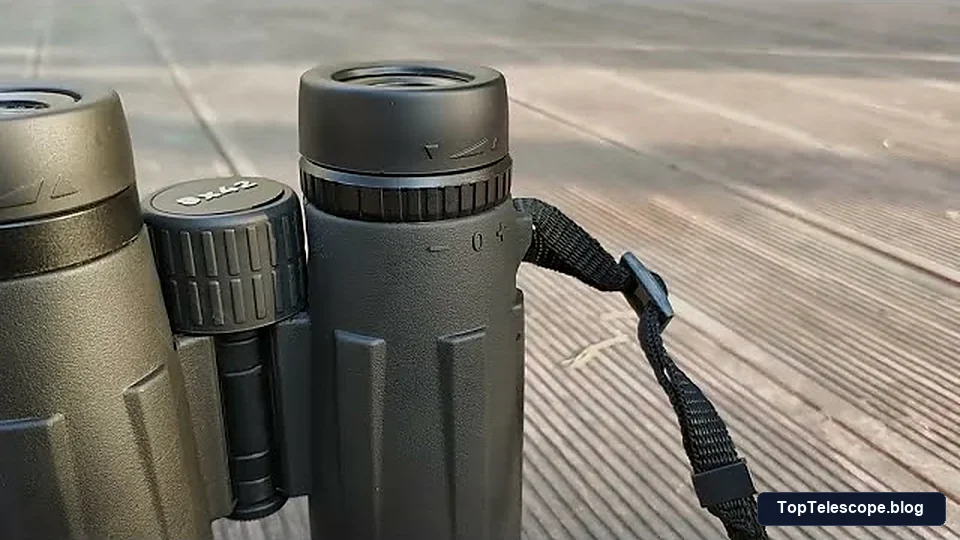
Heavy equatorial and alt-azimuth mounts demand specific mechanical preparation procedures. Release all setting circles and lock clutches slightly to relieve internal spring tension during months of inactivity.
Old factory grease separates and hardens inside worm gears over time. Clean out degraded lubricants using safe solvents and apply fresh, synthetic lithium grease designed for extreme temperatures.
Wooden and aluminum tripods require dry storage to prevent structural warping. Inspect leg extension clamps for rust accumulation and apply light machine oil to threaded adjustment rods.
Store heavy counterweights separately from the main mount head. Excessive concentrated weight resting on single shafts can bend internal axles or damage precision gear teeth permanently.
- Release mount clutches to eliminate sustained internal spring tension.
- Strip old factory lubricants from moving gear assemblies.
- Apply synthetic low-temperature grease to all sliding surfaces.
- Store heavy steel counterweights flat on shelving units.
Servicing Worm Gear Assemblies
Worm gear meshes must be backed off slightly before extended storage. This prevents localized pitting on brass gear teeth caused by constant pressure from steel worms.
Wrap exposed bare metal shafts in corrosion-inhibiting paper sheets. Seal the entire mount head inside a heavy-duty polyethylene bag to block airborne contaminants.
- Adjust backlash settings carefully prior to gear locking.
- Use VCI paper for optimal ferrous metal protection.
Electronics and Battery Management Protocols
Modern GoTo telescopes rely heavily on internal circuit boards and hand controllers. Remove all alkaline batteries immediately to prevent corrosive electrolyte leakage from destroying delicate battery terminals.
Store rechargeable lithium-ion power tanks at a fifty percent charge level. Maintaining partial charge prevents permanent battery degradation during prolonged periods of shelf storage.
Protect computer hand controllers inside padded electronic cases with silica packets. Moisture intrusion causes short circuits on microscopic logic board traces during seasonal humidity spikes.
Disconnect all external tracking motor cables and communication wires. Tangle-free storage prevents wire insulation cracking and strain damage at connector junction points over time.
- Extract all standard alkaline cells from internal battery compartments.
- Maintain lithium battery packs at half capacity during storage.
- Seal hand controllers within dedicated padded electronic pouches.
- Coil connecting cables loosely without sharp directional kinks.
Protecting Logic Boards from Corrosion
Circuit boards suffer from microscopic oxidation in damp storage environments. Apply a specialized conformal electronic coating to safeguard solder joints against ambient moisture attack.
Store electronic components inside anti-static bags with integrated desiccant packs. This shields sensitive microprocessors from electrostatic discharge and destructive humidity fluctuations.
- Spray conformal coatings in well-ventilated outdoor areas.
- Use certified anti-static storage bags for controllers.
Selecting Proper Hard and Soft Cases
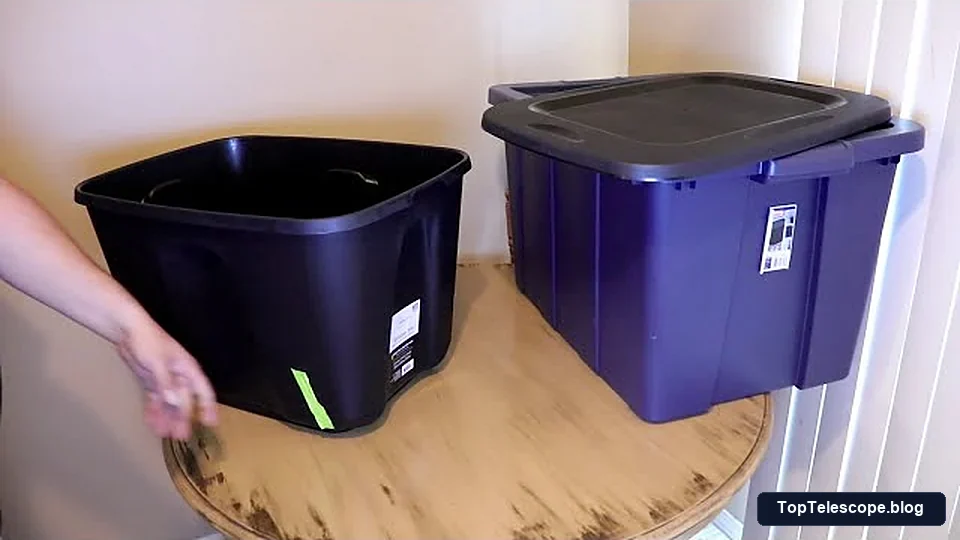
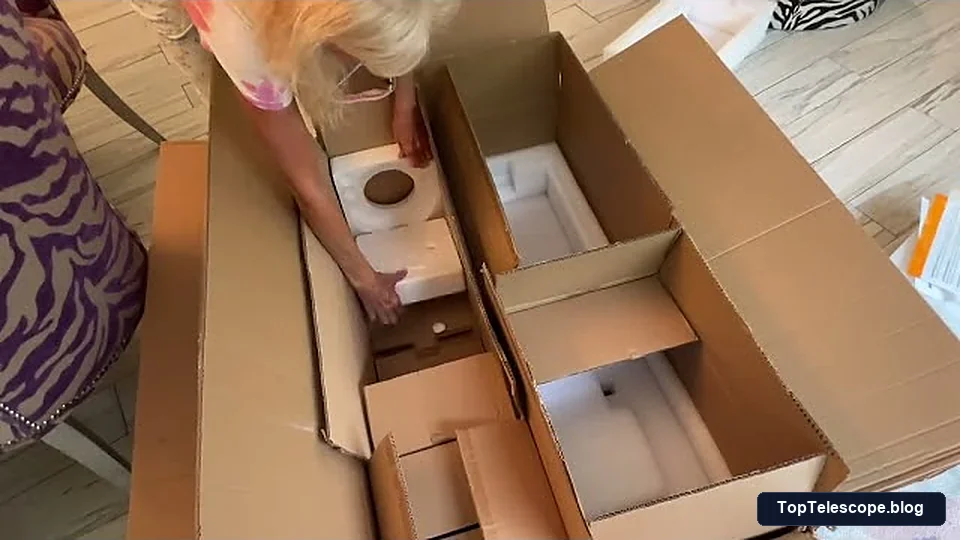
Choosing the correct storage container dictates long-term equipment safety. Heavy-duty roto-molded hard cases with custom high-density foam offer superior protection against physical impacts and environmental contaminants.
Cut foam inserts precisely to cradle optical tubes and accessories securely. Avoid standard open-cell packaging foam that traps moisture and breaks down into corrosive dust over time.
Soft padded carrying bags work adequately only inside climate-controlled rooms. They lack the structural rigidity and waterproof seals required for long-term garage or attic placement.
Ensure cases feature pressure equalization valves to prevent vacuum locking. Changes in atmospheric pressure can warp case walls or compromise internal rubber gasket seals permanently.
- Invest in roto-molded hard cases featuring rubber O-ring seals.
- Carve custom high-density polyethylene foam for snug component fits.
- Avoid open-cell packaging foams that trap residual moisture.
- Check pressure equalization valves before sealing containers.
Foam Customization Techniques
Layered pick-and-pluck foam simplifies custom storage compartment creation. Seal cut edges using a heated plastic iron to protect sensitive tubes, including a starter telescope kit, from shedding particles.
Leave at least two inches of solid foam margin around instruments. This outer buffer absorbs severe external shocks during accidental drops or shifting storage moves.
- Melt cut foam edges for clean dust-free cavities.
- Maintain adequate exterior shock absorption margins.
Pre-Storage Mechanical Inspection Protocols
Conduct a thorough structural audit before boxing equipment away. Check every optical collimation screw, focuser rack pinion, and finder bracket for structural security and wear.
Tighten loose screws using properly sized metric or imperial hex keys. Stripped fasteners left unattended worsen under shifting thermal loads during long storage intervals.
Examine optical tube interior baffles for paint flaking. Loose paint flakes can detach and settle directly onto primary mirrors, requiring complete disassembly for removal later.
Document all existing mechanical tolerances and optical alignment conditions on paper. Clear records simplify future recalibration procedures when recommissioning the instrument for stargazing.
- Audit all mechanical fasteners using calibrated hand tools.
- Inspect internal baffling for peeling flat-black paint flakes.
- Record current optical alignment metrics for future reference.
- Clean focuser drawtubes and apply fresh sliding lubricant.
Verifying Focuser Alignment
Crayford and rack-and-pinion focusers accumulate grit during active seasons. Clean drawtube tracks thoroughly with mineral spirits before applying a thin film of clean grease.
Adjust tension screws to prevent drawtube slippage under heavy camera loads. Lock focusers midway along their travel path to relieve uneven internal spring pressure.
- Degrease focuser rails using lint-free microfiber towels.
- Set focusers to neutral mid-travel positions.
Long-Term Monitoring and Maintenance Routines
Long-term storage does not mean complete abandonment of equipment. Establish a mandatory schedule to inspect stored optical systems every ninety calendar days without fail.
Open storage containers in dry, climate-controlled rooms to check for moisture. Replace exhausted silica gel packets immediately to maintain optimal internal humidity conditions.
Smell inside sealed cases for musty odors indicating mold growth. Promptly clean any suspicious components using antifungal solutions before damage spreads across optical surfaces.
Verify that mount clutches and locking screws remain loose. Periodic checks prevent mechanical binding caused by lubricant settling or minor structural shifting over time.
- Inspect stored telescope systems every ninety days.
- Replace color-changing silica gel packets during quarterly reviews.
- Check for musty odors signaling hidden fungal activity.
- Exercise mechanical mount axes to distribute fresh grease.
Quarterly Environmental Audits
Measure internal case humidity using calibrated digital sensors. Relative humidity readings exceeding fifty percent demand immediate desiccant replacement and case airing.
Inspect metal parts for early signs of surface oxidation. Wipe affected areas immediately with machine oil to halt corrosive pitting progression.
- Log digital hygrometer readings in a maintenance notebook.
- Treat fledgling rust spots with lightweight machine oil.
Post-Storage Recommissioning Procedures
Bringing optical gear out of storage requires patience. Allow sealed tubes to acclimate slowly to ambient room temperatures before setting up your best telescope for long exposure astrophotography to prevent internal moisture.
Perform a comprehensive mechanical check before mounting heavy optical assemblies. Verify that all clutches, screws, and electronic ports function correctly prior to night use.
Clean primary optics gently to remove any fine dust accumulated over months. Conduct a complete star test to verify optical collimation before undertaking serious imaging work.
Test electronic GoTo controllers using fresh external power supplies. Ensure firmware loads properly and motor encoders track sidereal motion without erratic jittering issues.
- Acclimate sealed instruments slowly to ambient room temperatures.
- Execute rigorous mechanical checks on all mount assemblies.
- Perform star alignment tests to verify optical collimation.
- Update hand controller firmware using stable computer connections.
Executing the Post-Storage Star Test
Point the recommissioned telescope at a bright star. Defocus slightly to examine concentric diffraction rings for optical symmetry and proper mirror alignment.
Adjust primary mirror collimation knobs if diffraction patterns appear asymmetrical. Correct alignment guarantees optimal resolution during high-magnification planetary observation sessions.
- Center bright navigational stars in the eyepiece field.
- Fine-tune collimation screws based on diffraction ring symmetry.
Frequently Asked Questions
How often should I check stored telescopes?
Inspect your stored telescope setup every ninety days without fail. This quarterly check lets you replace exhausted desiccant packs and detect early corrosion.
Can I store my telescope in a garage?
Uninsulated residential garages experience extreme seasonal temperature fluctuations that constantly trigger destructive internal condensation cycles inside metal optical tubes and delicate electronic mounting systems.
You must always prioritize stable, climate-controlled indoor living spaces where ambient relative humidity remains strictly regulated year-round to completely prevent irreversible material degradation.
Should I remove batteries before storage?
You must always extract all standard alkaline cells and external power packs from internal compartments immediately before packing your equipment away for extended multi-month storage durations.
Leaving active batteries installed invites highly corrosive chemical electrolyte leakage that will permanently destroy sensitive internal circuit boards and expensive electronic hand controllers.
What humidity level is safe for optics?
You must maintain ambient relative humidity levels strictly below forty percent inside your chosen storage container to adequately protect delicate multi-layer lens coatings.
Higher atmospheric moisture levels quickly encourage aggressive fungal spore blooms that will etch expensive optical glass surfaces permanently beyond professional repair.
How do I prepare mount gears for storage?
You need to release all mechanical mount clutches and completely strip away old factory lubricants from the moving assemblies.
Applying fresh synthetic low-temperature grease will thoroughly protect brass gear teeth from binding or pitting during extended multi-month periods of total inactivity.