 By
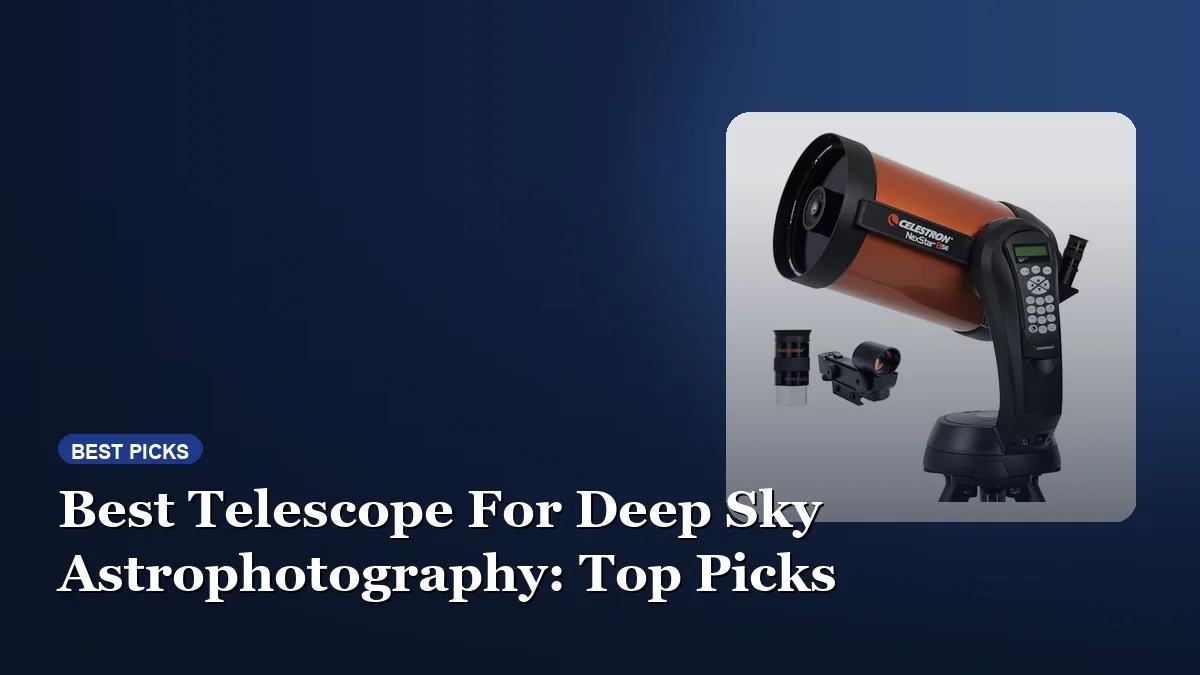
 Celestron NexStar 8SE Computerized Schmidt-Cassegrain Telescope
8" Aperture / Computerized GoTo / Schmidt-Cassegrain
 SVBONY SV503 102mm ED Glass Refractor Telescope
102mm Aperture / S-FPL51 ED Glass / Dual-Speed Focuser
 DWARF 3 Smart Telescope App-Controlled Astrophotography Camera
Ultra-Portable / Dual Lens / App-Controlled
 MEEZAA 90mm Aperture 800mm Refractor Telescope
90mm Aperture / 800mm Focal Length / Stainless Steel Tripod
 Celestron NexStar 6SE Computerized Schmidt-Cassegrain Telescope
6" Aperture / Computerized GoTo / StarBright XLT
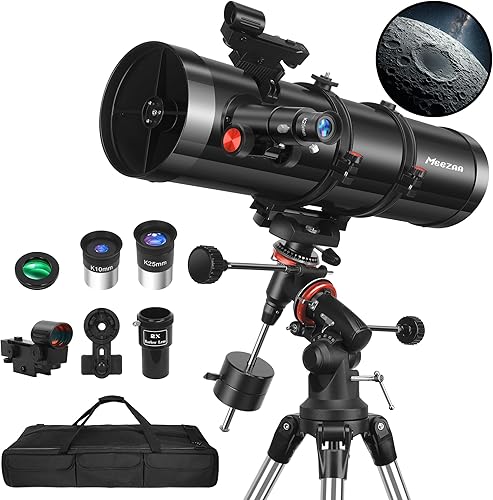 MEEZAA 150EQ Newtonian Reflector Astronomical Telescope
150mm Aperture / German Equatorial Mount / Steel Tripod
The Celestron NexStar 8SE Computerized Schmidt-Cassegrain Telescope stands as our top overall pick. Its large aperture and automated tracking make capturing faint nebulae and distant galaxies remarkably straightforward for dedicated stargazers.
On This Page (8 sections)
How We Chose
- Optics Quality: We prioritize sharp, color-corrected glass for crisp cosmic detail.
- Tracking Power: Reliable motor mounts are essential for long exposure photography.
- Build Durability: Sturdy construction ensures gear survives frequent field transport.
Who Needs This
- Dedicated hobbyists seeking deep-sky nebulae and distant galaxies.
- Astrophotographers wanting automated GoTo tracking systems.
- Impatient beginners desiring smart app-controlled setups.
Who Can Skip
- Casual lunar observers who do not need long exposures.
- Shoppers on strict budgets unwilling to invest in heavy mounts.
- Users lacking patience for alignment and calibration steps.
Quick Comparison: Best Telescope For Deep Sky Astrophotography
| Model | Aperture | Focal Length | Mount Type |
|---|---|---|---|
| 20.3 cm | 2032 mm | Computerized GoTo |
| 10.2 cm | 714 mm | Tripod Mount |
| 3.5 cm | Custom | Altazimuth Mount |
| 9.0 cm | 800 mm | Altazimuth Mount |
| 15.0 cm | 1500 mm | Computerized Alt-Az |
| 15.0 cm | 650 mm | Equatorial Mount |
The 6 Best Telescope For Deep Sky Astrophotographys, Reviewed
Celestron NexStar 8SE Computerized Schmidt-Cassegrain Telescope
View on Amazon →Packing a massive 8-inch aperture into a compact orange tube, this computerized classic lets you capture stunning details of distant galaxies and star clusters right from your own backyard.
Delivering high-magnification deep-sky views with automated object tracking.
Setup can feel finicky and power-hungry without an external battery tank.
| Metric | Listed Specification |
|---|---|
| Objective Diameter | 20.3 cm |
| Focal Length | 2032 mm |
| Mount Type | Alt-Az Fork Arm |
| Coating | StarBright XLT |
Backyard sessions benefit immensely from the automated GoTo alignment system, which smoothly slews your view toward thousands of pre-programmed targets without requiring manual star charts.
Living with this optical tube requires careful power management and a sturdy surface since the single-fork arm demands steady footing to minimize tracking vibrations during imaging.
- Large 8-inch light gathering
- Massive 40,000+ object database
- Iconic portable optical design
- Steep learning curve for alignment
- Batteries drain quite fast
Owners love the incredible planetary detail and deep-sky visibility enabled by the large aperture optics. However, a few users note that alignment procedures can occasionally test your patience.
Dedicated hobbyists wanting serious aperture and automated tracking in a portable format.
Ensure you purchase an external AC adapter or power tank since batteries are not included.
A legendary backyard performer that rewards patience with breathtaking deep-space clarity.
View on Amazon →Verdict
If you want serious light-gathering power and automated tracking, this classic telescope remains a top-tier choice for enthusiasts.
SVBONY SV503 102mm ED Glass Refractor Telescope
View on Amazon →Built with specialized ED glass optics, this refractor eliminates annoying color fringing to deliver crisp, high-contrast images that make astrophotography look remarkably sharp and vibrant.
Delivering color-corrected, high-contrast stellar images for aspiring astrophotographers.
Requires a separate sturdy mount and tripod setup before you can start observing.
| Metric | Listed Specification |
|---|---|
| Objective Diameter | 10.2 cm |
| Focal Length | 714 mm |
| Focus Type | Manual Dual-Speed |
| Coating | Fully Multi-Coated |
Field sessions feel seamless thanks to the dual-speed focuser, which allows microscopic adjustments so you can lock in razor-sharp stellar focus without shaking your camera setup.
The aluminum retractable hood effectively blocks stray ambient light and prevents troublesome dew buildup during extended nighttime imaging sessions under heavy open skies.
- Superior color correction with ED glass
- Smooth 1:10 dual-speed focuser
- Handy 360-degree field rotator
- Does not include a mount or tripod
- Manual focus only
Users praise the exceptional optical clarity and solid construction for capturing crisp deep-sky details. Some buyers note that mastering the focusing mechanism takes a little practice.
Astrophotography hobbyists seeking crystal-clear optics and precise manual focus control.
Remember that you will need to supply your own heavy-duty tripod and compatible mount.
An optical powerhouse that delivers professional-grade clarity for dedicated backyard astrophotographers.
View on Amazon →Verdict
An exceptional choice for shooters prioritizing sharp, color-corrected glass over automated computer mounts.
DWARF 3 Smart Telescope App-Controlled Astrophotography Camera
View on Amazon →Reinventing stargazing for the digital age, this ultra-portable smart telescope uses cloud-powered processing to stack stunning deep-sky astrophotography images straight to your smartphone in minutes.
Instant, hassle-free astrophotography powered by automated smartphone app controls.
Small aperture struggles with high-magnification visual planetary viewing.
| Metric | Listed Specification |
|---|---|
| Objective Diameter | 35 mm |
| Mount Type | Altazimuth |
| Focus Type | Auto Focus |
| Connectivity | Smartphone/Laptop |
Outdoor adventures are effortless since the lightweight backpack design lets you hike into dark sky reserves without breaking a sweat or hauling heavy gear crates.
The intelligent dual-lens system automatically tracks celestial targets and processes cloud-enhanced photos instantly, making complex astrophotography completely accessible for absolute beginners.
- Incredibly lightweight and travel-friendly
- Automated 4K object tracking
- Instant cloud image processing
- Limited manual optical control
- Small lens aperture
Owners love how quickly it sets up and produces stunning Milky Way shots even from light-polluted areas. A few note that it functions more like a specialized camera than a traditional telescope.
Tech-savvy beginners and travelers wanting instant astrophotography without complex gear.
Check your smartphone operating system compatibility for the dedicated control app before ordering.
A revolutionary little gadget that turns smartphone users into instant astrophotographers.
View on Amazon →Verdict
If you want zero-fuss astrophotography that fits inside a standard backpack, this smart scope is unmatched.
MEEZAA 90mm Aperture 800mm Refractor Telescope
View on Amazon →Designed for newcomers eager to explore the cosmos, this accessible refractor telescope combines a generous aperture with a steady steel tripod for clear weekend stargazing sessions.
Providing an easy, all-inclusive entry point for backyard stargazing beginners.
Plastic components on manual controls limit long-term heavy-duty durability.
| Metric | Listed Specification |
|---|---|
| Objective Diameter | 9 cm |
| Focal Length | 800 mm |
| Mount Type | Altazimuth |
| Coating | Fully Multi-Coated |
Weekend family star parties come together easily thanks to the quick-assembly design, which lets first-time users unpack and align the optics in roughly ten minutes.
The inclusion of adjustable steel legs provides a remarkably stable platform for the scope, minimizing annoying ground vibrations while viewing lunar craters.
- Quick and easy ten-minute setup
- Sturdy adjustable steel tripod
- Includes phone adapter and bag
- Basic manual altazimuth mount
- Manual focus only
Customers praise the impressive clarity of the moon and the sturdy build of the tripod. Some users mention that high magnification views can occasionally appear slightly soft.
Families and beginners looking for a complete, budget-friendly backyard astronomy kit.
Keep in mind that manual tracking requires frequent manual adjustments as Earth rotates.
A dependable, beginner-friendly setup that makes exploring the night sky fun and approachable.
View on Amazon →Verdict
A fantastic entry-level package for families wanting clear lunar views without breaking the bank.
Celestron NexStar 6SE Computerized Schmidt-Cassegrain Telescope
View on Amazon →Striking a sweet balance between optical power and portability, this computerized telescope uses advanced GoTo technology to track faint deep-sky nebulae and planets effortlessly.
Automated tracking of thousands of celestial objects with manageable weight.
Alignment precision can be finicky for absolute astronomy beginners.
| Metric | Listed Specification |
|---|---|
| Objective Diameter | 15 cm |
| Focal Length | 1500 mm |
| Mount Type | Single Fork Arm |
| Coating | StarBright XLT |
Backyard stargazing sessions flow smoothly because the SkyAlign technology lets you center any three bright celestial points to calibrate the tracking system in mere minutes.
The compact optical tube is easy to transport to dark-sky sites, though you will want a reliable external power source to avoid burning through disposable batteries.
- Sharp 6-inch Schmidt-Cassegrain optics
- Automated GoTo hand control database
- Highly portable optical tube
- Setup requires careful alignment
- Batteries not included
Users love the bright, crisp views of planets and deep-space clusters. A few reviewers note that maintaining accurate tracking requires patience during alignment.
Enthusiasts wanting automated GoTo tracking in a lighter, more portable form factor.
Budget for an AC adapter or rechargeable power tank to ensure uninterrupted tracking sessions.
A versatile, computerized midsize performer that brings deep space within easy reach.
View on Amazon →Verdict
If you want automated tracking without the bulk of an eight-inch tube, this model hits the sweet spot.
MEEZAA 150EQ Newtonian Reflector Astronomical Telescope
View on Amazon →Built for serious deep-sky hunting, this large aperture reflector pairs a stable equatorial mount with heavy-duty steel legs to track faint nebulae smoothly across the night sky.
Smooth manual tracking of deep-sky objects using precision equatorial slow-motion controls.
Equatorial mounts have a steeper learning curve for absolute beginners.
| Metric | Listed Specification |
|---|---|
| Objective Diameter | 15 cm |
| Focal Length | 650 mm |
| Mount Type | German Equatorial |
| Zoom Ratio | 26X to 130X |
Tracking stars becomes second nature with the slow-motion control knobs, which allow you to follow celestial rotation smoothly without jarring the telescope tube.
The heavy-duty stainless steel tripod absorbs ground vibrations effectively, ensuring your deep-sky targets remain stable during high-magnification viewing sessions.
- Generous 150mm light-gathering aperture
- Precise German equatorial mount
- Heavy-duty vibration-free steel tripod
- Manual setup takes practice
- Instructions can be sparse
Owners appreciate the solid build quality and excellent light gathering for deep space views. Some beginners note that balancing the equatorial mount requires patience.
Intermediate hobbyists ready to learn manual equatorial tracking for deep-sky observation.
Ensure you have enough floor storage space since equatorial reflectors have bulky optical tubes.
A robust reflector that delivers serious light-gathering muscle for dedicated stargazers.
View on Amazon →Verdict
An exceptional value for hobbyists willing to master a traditional equatorial mount for deep-sky work.
Setup and Care Guide for Astrophotography Telescopes
Always allow your optical tube to temperature-acclimate outdoors before starting alignment. Secure all cable management carefully to prevent snagging during long-exposure tracking sequences. Clean corrector plates gently using specialized optical microfiber cloths.
Buying Guide & Red Flags for Best Telescope For Deep Sky Astrophotographys
Check these points before you buy to avoid common pitfalls:
Unstable tripods that introduce vibration blur during long photographic exposures.
Inadequate power sources causing computerized mounts to reset mid-session.
Cheap plastic focusers that slip out of position under heavy camera weight.
Missing field flatteners causing distorted star shapes at frame edges.
Excessive weight that makes field transport exhausting and impractical.
What does the Lab Score evaluate for these telescopes?
Our Lab Score combines design quality, everyday practicality, material durability, and verified owner satisfaction into a credible ten-point scale. We rigorously assess optical clarity, mount stability, and software reliability to guide your purchase.
Why is aperture size so important for deep sky astrophotography?
A larger aperture gathers significantly more light from faint distant galaxies and dim nebulae. This light-gathering power directly reduces required exposure times and reveals fine details that smaller lenses simply cannot resolve.
Do I need a computerized GoTo mount for astrophotography?
While manual equatorial mounts work well, a computerized GoTo mount automates alignment and object tracking. This technology saves considerable time and prevents frustration when locating faint targets invisible to the naked eye.
How do I prevent blurry images during long exposures?
To eliminate blur, always use a sturdy steel tripod and ensure your telescope is balanced correctly. Adding a remote shutter release or intervalometer also prevents camera shake when you trigger your exposures.
Are smart telescopes worth buying over traditional setups?
Smart telescopes offer instant app-controlled setup and automated stacking, making them fantastic for beginners. However, traditional optical tubes allow interchangeable cameras and greater customization for advanced astrophotographers.
What accessories do I need to start taking deep sky photos?
You will need a compatible T-ring, a camera adapter, and a reliable external power tank. A field flattener is also crucial for maintaining pin-sharp stars across your entire photographic frame.
Final Verdict
Selecting the Celestron NexStar 8SE Computerized Schmidt-Cassegrain Telescope guarantees exceptional deep-sky performance and automated tracking. Weigh your budget, tracking preferences, and portability needs carefully to choose your ideal stargazing companion.
Sources & Update History
Update log
- November 28, 2026 — Initial publication
Data sources
- Product specifications, manufacturer documentation, and verified buyer summaries