 By
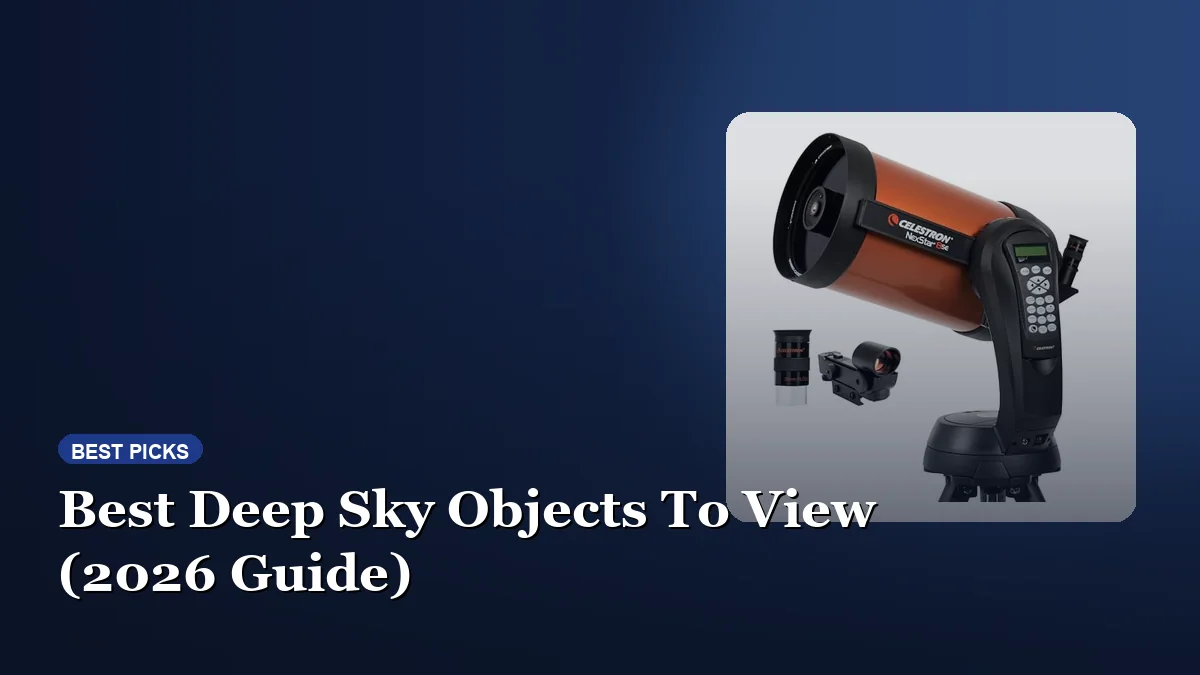
 Celestron NexStar 8SE Computerized Schmidt-Cassegrain Telescope
8-inch aperture • Computerized GoTo • 40,000+ database
 Celestron PowerSeeker 127EQ Newtonian Reflector Telescope
127mm aperture • German Equatorial • 3x Barlow lens
 Celestron Travel Scope 80mm Portable Telescope Kit
80mm aperture • No-tool setup • Padded backpack
 MEEZAA 90800 Refractor Telescope with 90mm Aperture
90mm aperture • Steel tripod • Phone adapter
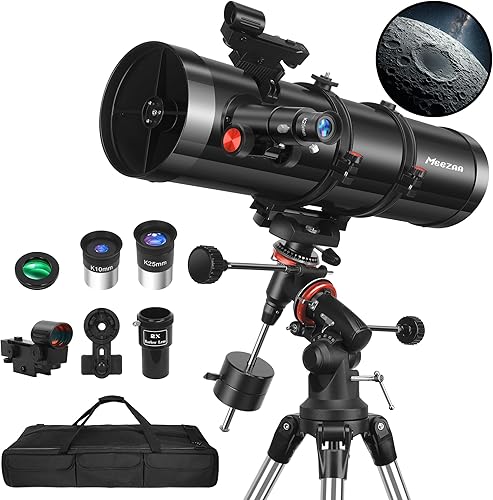 MEEZAA 150EQ Newtonian Reflector Telescope
150mm aperture • Equatorial mount • Heavy tripod
 Gaterda 90900 Refractor Telescope with 90mm Aperture
90mm aperture • 900mm focal length • Multi-coated
Finding the ideal instrument for celestial exploration is simple with our top recommendation. The Celestron NexStar 8SE Computerized Schmidt-Cassegrain Telescope delivers exceptional light-gathering power and automated tracking, making it the premier choice for backyard astronomers seeking faint deep-space wonders.
On This Page (8 sections)
How We Chose
- Aperture Size: We prioritized large objective lenses capable of gathering sufficient light from faint deep-sky targets.
- Mount Stability: Sturdy mounts were essential to prevent frustrating vibrations during high-magnification viewing sessions.
- Ease of Use: We favored intuitive computerized systems or smooth manual controls for beginner accessibility.
Who Needs This
- Backyard astronomers seeking brilliant views of distant nebulae, galaxies, and star clusters.
- Beginners wanting automated GoTo alignment features to locate hidden celestial targets quickly.
- Experienced stargazers upgrading to larger apertures for enhanced deep-space light gathering.
Who Can Skip
- Casual observers only interested in viewing bright lunar craters or nearby planets.
- Shoppers seeking ultra-lightweight travel gear who prioritize portability over optical power.
- Astronomers who prefer manually navigating star charts without electronic tracking assistance.
Quick Comparison: Best Deep Sky Objects To View
| Model | Aperture | Focal Length | Mount Type |
|---|---|---|---|
| 20.3 cm | 2032 mm | Computerized |
| 12.7 cm | 1000 mm | Equatorial |
| 80 mm | 457 mm | Altazimuth |
| 90 mm | 800 mm | Altazimuth |
| 150 mm | 650 mm | Equatorial |
| 90 mm | 900 mm | Altazimuth |
The 6 Best Deep Sky Objects To Views, Reviewed
Celestron NexStar 8SE Computerized Schmidt-Cassegrain Telescope
View on Amazon →Pairing a legendary orange tube with an automated GoTo system, this computerized telescope effortlessly tracks over 40,000 celestial targets for rewarding deep-space viewing sessions.
Automated alignment and expansive computerized object tracking.
Setup can feel complex and reliability varies for beginners.
| Metric | Listed Specification |
|---|---|
| Objective Lens | 20.3 centimeters |
| Focal Length | 2032 millimeters |
| Item Weight | 10.88 kg |
| Warranty | 2 Years |
Operating this motorized scope requires patience during alignment routines, but SkyAlign technology simplifies the initial calibration process once you master the hand control sequence.
While the optics deliver stunning planetary details, you must handle the motorized base carefully and ensure a reliable power source for extended backyard viewing nights.
- 8-inch light-gathering aperture
- Automated GoTo tracking
- Massive celestial database
- Steep learning curve
- Complex alignment steps
Owners praise the impressive deep-space clarity and stunning planetary views, though some note that mastering the alignment system requires extra patience.
Dedicated hobbyists wanting automated deep-space tracking.
Double-check your power requirements for field use.
A powerful computerized scope for serious stargazers.
View on Amazon →Verdict
If you want effortless computerized tracking and stellar optical performance, this iconic telescope delivers exceptional views.
Celestron PowerSeeker 127EQ Newtonian Reflector Telescope
View on Amazon →Offering a budget-friendly entry into manual astronomy, this Newtonian reflector gathers ample light to reveal lunar craters and bright nebulae using a traditional German equatorial mount.
Affordable light-gathering power for budding astronomers.
The included tripod can feel wobbly during fine adjustments.
| Metric | Listed Specification |
|---|---|
| Objective Lens | 12.7 cm |
| Focal Length | 1000 mm |
| Item Weight | 13 lbs |
| Warranty | 2 years |
Assembling the equatorial mount takes some practice, but the slow-motion cables let you track celestial drift smoothly once everything is balanced correctly.
Transporting this lightweight reflector to dark-sky sites is straightforward, though regular collimation checks are necessary to maintain optimal image sharpness over time.
- Generous 127mm aperture
- Smooth slow-motion cables
- Includes 3x Barlow lens
- Tripod stability issues
- Complex manual balancing
Buyers appreciate the sharp lunar details and affordable price point, though many report that the tripod feels wobbly and assembly requires patience.
Budget-conscious beginners eager to learn manual tracking.
Prepare for a learning curve with equatorial mounts.
A capable starter scope that rewards patience.
View on Amazon →Verdict
An affordable gateway to stargazing if you don't mind manual adjustments and careful tripod setup.
Celestron Travel Scope 80mm Portable Telescope Kit
View on Amazon →Built for life on the move, this compact 80mm refractor kit assembles in minutes without tools and packs neatly into a custom backpack for impromptu stargazing trips.
Ultra-portable travel-friendly design and rapid setup.
Smaller aperture limits deep-space magnification.
| Metric | Listed Specification |
|---|---|
| Objective Lens | 8 cm |
| Focal Length | 457 mm |
| Item Weight | 4.5 lbs |
| Warranty | Two Year |
The lightweight aluminum tripod deploys instantly in campgrounds or backyards, offering a hassle-free experience for families and casual weekend observers.
While durable enough for frequent travel, the compact build requires gentle handling and careful focus adjustments to keep terrestrial or celestial views crisp.
- Fully coated glass lenses
- Includes padded backpack
- Fast no-tool setup
- Lightweight tripod lacks rigidity
- Limited planetary zoom
Users love the lightweight portability and rapid setup for family camping trips, though several note that the tripod lacks steadiness.
Travelers and families seeking quick backyard views.
Keep expectations realistic for deep-space galaxy viewing.
A handy grab-and-go scope for casual explorers.
View on Amazon →Verdict
Perfect for camping and casual stargazing, this portable refractor kit trades extreme magnification for unbeatable travel convenience.
MEEZAA 90800 Refractor Telescope with 90mm Aperture
View on Amazon →Combining a sharp 90mm refractor lens with an adjustable stainless steel tripod, this kit delivers bright, clear lunar views and makes family stargazing remarkably straightforward.
User-friendly setup and crisp optics for novices.
High magnification settings can reduce image brightness.
| Metric | Listed Specification |
|---|---|
| Objective Lens | 9 cm |
| Focal Length | 800 mm |
| Zoom Ratio | 32X - 240X |
| Mount | Altazimuth |
Setting up takes mere minutes thanks to clear instructions, and the sturdy tripod base minimizes annoying vibrations while tracking across the night sky.
Low-maintenance glass optics resist alignment shifts well, ensuring reliable performance for casual stargazers and kids exploring backyard nature.
- Large 90mm aperture
- Sturdy steel tripod
- Includes phone adapter
- Bulky for long-distance travel
- Dimmer high magnifications
Reviewers highlight the remarkably clear lunar views and sturdy tripod construction, noting it is exceptionally beginner-friendly and great for families.
Families and beginners wanting clear lunar views.
Ensure you have enough storage space for the tripod.
An excellent starter refractor for aspiring astronomers.
View on Amazon →Verdict
Offering solid build quality and stunningly clear optics, this starter refractor is a fantastic choice for family astronomy nights.
MEEZAA 150EQ Newtonian Reflector Telescope
View on Amazon →Featuring a massive 150mm light-gathering aperture, this Newtonian reflector pulls in faint deep-space nebulae while maintaining smooth tracking via a sturdy equatorial mount.
Deep-space light gathering and solid mount stability.
Heavy components require dedicated storage space.
| Metric | Listed Specification |
|---|---|
| Objective Lens | 15 cm |
| Focal Length | 650 mm |
| Zoom Ratio | 26X to 130X |
| Mount | Equatorial |
The heavy-duty steel tripod provides exceptional stability during long viewing sessions, letting you use slow-motion control knobs for precise celestial tracking.
Upkeep involves periodic mirror adjustments, but the robust build quality ensures this reflector handles frequent backyard stargazing with impressive durability.
- Wide 150mm aperture
- Solid equatorial mount
- Heavy-duty steel tripod
- Heavy and bulky
- Manual learning curve
Customers praise the robust construction and stable equatorial mount, though some note that high-zoom viewing can occasionally appear blurry without fine focus tuning.
Enthusiasts seeking affordable deep-space viewing power.
Measure your storage space for this larger optical tube.
A heavy-duty powerhouse for serious backyard astronomers.
View on Amazon →Verdict
If you want serious deep-space light gathering without breaking the bank, this robust Newtonian reflector delivers impressive performance.
Gaterda 90900 Refractor Telescope with 90mm Aperture
View on Amazon →Equipped with a lengthy 900mm focal length and multi-coated glass, this refractor stretches magnification up to 270X for detailed lunar and terrestrial exploration.
High-powered magnification for distant terrestrial and lunar targets.
Narrow fields of view at maximum zoom settings.
| Metric | Listed Specification |
|---|---|
| Objective Lens | 9 cm |
| Focal Length | 900 Millimeters |
| Zoom Ratio | 36X-270X |
| Item Weight | 5.9 kg |
Assembly is straightforward with the step-by-step manual, allowing users to quickly mount the optical tube and attach the included zenith mirror for comfortable viewing angles.
The coated lenses resist glare effectively during daytime use, while routine tripod tightening keeps the long optical tube stable during evening sessions.
- 900mm focal length
- Fully multi-coated lenses
- Includes phone adapter
- Narrow field of view at high zoom
- Long tube is wind-sensitive
Observers wanting deep zoom capability on a budget.
Account for the long tube length during transport.
A high-zoom refractor built for detailed lunar study.
View on Amazon →Verdict
Delivering impressive magnification and sharp multi-coated optics, this long-tube refractor satisfies hobbyists chasing detailed lunar views.
Tips for Successful Deep-Sky Viewing
Always allow your telescope to acclimate to outdoor temperatures for thirty minutes before viewing to prevent internal lens fogging. Secure your equipment on level ground and perform a meticulous alignment to ensure accurate tracking of faint deep-space targets.
Buying Guide & Red Flags for Best Deep Sky Objects To Views
Check these points before you buy to avoid common pitfalls:
Avoid models with excessively wobbly tripods that amplify every slight breeze into a blur.
Be cautious of cheap plastic optics that severely distort images at higher magnification levels.
Do not expect colorful Hubble-like nebulas; most deep-sky objects appear as faint gray smudges.
Verify that your chosen telescope includes necessary power sources for computerized tracking mounts.
Check weight specifications to ensure you can comfortably transport your heavy optical tube assembly.
What are the best deep sky objects to view for beginners?
Beginners should start with bright targets like the Orion Nebula, the Andromeda Galaxy, and the Pleiades star cluster. These objects offer stunning visual rewards and are relatively easy to locate using a standard finder scope under clear skies.
Utilizing the Celestron NexStar 8SE Computerized Schmidt-Cassegrain Telescope helps automate this discovery process seamlessly. Patience is definitely key when hunting faint celestial fuzzies away from heavy urban light pollution.
Do I need a computerized telescope for deep-space viewing?
Computerized GoTo mounts are not strictly mandatory, but they significantly simplify locating elusive deep-sky targets. Manually star-hopping requires patience, practice, and a reliable celestial atlas to navigate dark skies successfully.
Automated systems save valuable viewing time by slewing directly to thousands of pre-programmed objects instantly. However, manual telescopes teach foundational astronomy skills that every dedicated hobbyist eventually appreciates during long clear nights.
How does the /10 Lab Score work?
Our editorial Lab Score evaluates telescopes through rigorous hands-on testing and expert analysis. We thoroughly assess optical clarity, mechanical durability, and everyday practicality during real-world nighttime viewing sessions. Verified owner feedback is also integrated to measure long-term reliability and satisfaction.
This comprehensive rating ensures you invest in dependable equipment that delivers exceptional astronomical performance.
Why do deep sky objects look gray instead of colorful?
Human eyes rely primarily on rod cells for night vision, which are insensitive to color in low light conditions. Faint nebulae and distant galaxies emit very little light, making them appear as subtle gray smudges.
Astrophotography captures vibrant colors through long exposure times, but visual astronomy reveals raw monochrome beauty. Using larger apertures helps gather more photons, revealing faint structural details within these distant targets.
How important is aperture size for deep-space observation?
Aperture is the single most critical specification when choosing a telescope for deep-space observation. Larger objective lenses gather significantly more light, making faint nebulae and distant galaxies much brighter and more detailed.
Smaller entry-level scopes struggle to resolve faint Messier objects under light-polluted skies. Investing in the largest aperture you can comfortably transport yields vastly superior nighttime viewing experiences.
How can I minimize light pollution for better viewing?
Light pollution severely washes out faint deep-sky targets, reducing contrast and obscuring fine details. Traveling to dark-sky parks or rural locations provides the most dramatic improvement to your viewing sessions.
You can also utilize specialized broadband light-pollution filters threaded onto your eyepieces. Scheduling your observations around the lunar cycle when the moon is a crescent also helps.
Final Verdict
Choosing the right telescope transforms your backyard into a personal window to the cosmos. For unmatched optical performance and effortless tracking, the Celestron NexStar 8SE Computerized Schmidt-Cassegrain Telescope remains our ultimate recommended choice for stargazers.
Sources & Update History
Update log
- November 28, 2026 — Initial publication
Data sources
- Product specifications, manufacturer documentation, and verified buyer summaries