 By
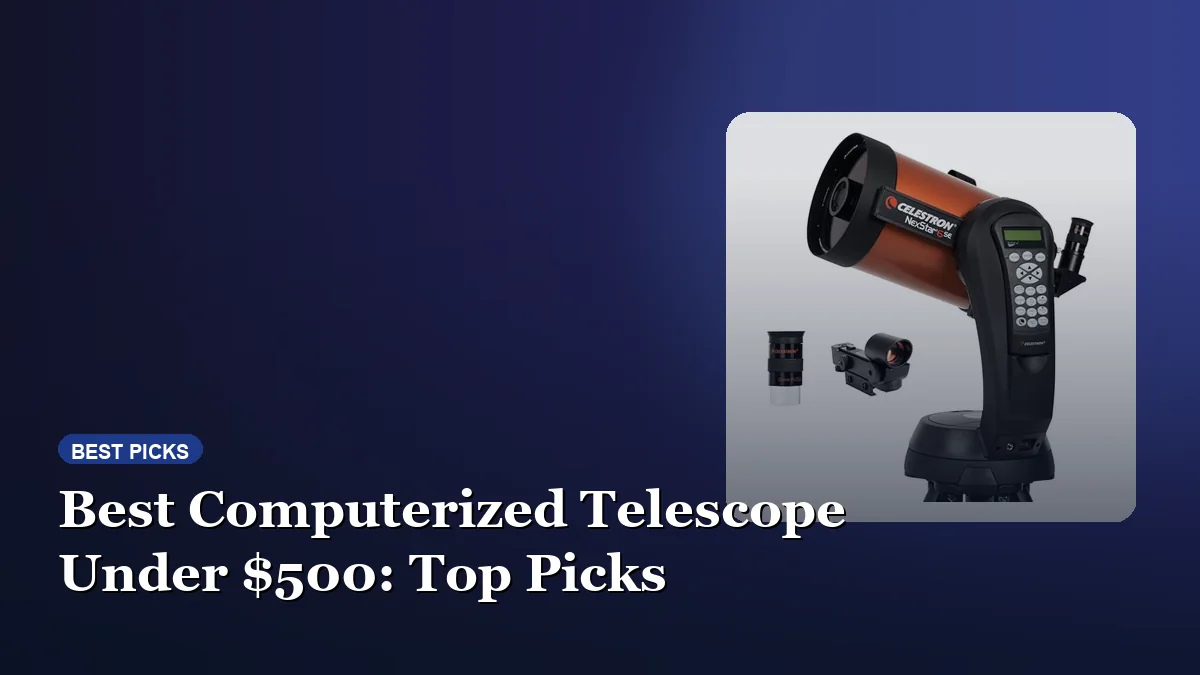
 Celestron NexStar 6SE Schmidt-Cassegrain Telescope
6-inch aperture . Computerized GoTo . 40k+ database
 Celestron NexStar 8SE Computerized Telescope
8-inch optics . GoTo database . Advanced tracking
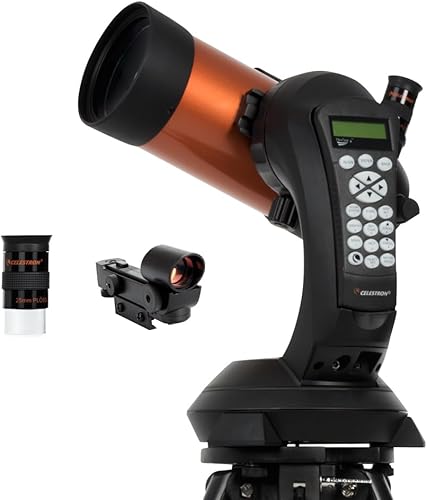 Celestron NexStar 4SE Maksutov-Cassegrain GoTo Telescope
4-inch Maksutov . Built-in wedge . Ultra-portable
 Celestron NexStar Evolution 8" WiFi Telescope
WiFi app control . 8-inch SCT . Internal battery
 Celestron PowerSeeker 127EQ Reflector Telescope
127mm reflector . Manual EQ . Starter kit
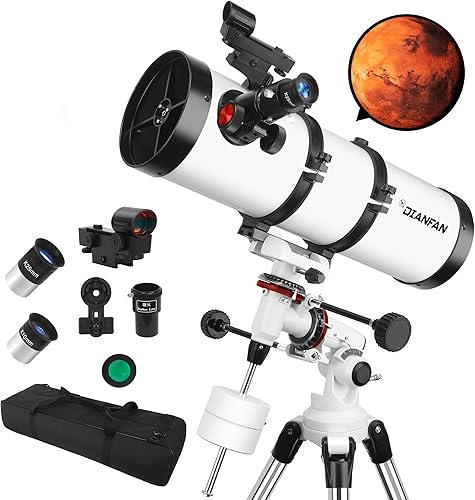 Dianfan 150EQ Professional Astronomy Telescope
150mm aperture . Steel tripod . Carry bag
For most stargazers seeking automated tracking, the Celestron NexStar 6SE Schmidt-Cassegrain Telescope stands out as the ultimate choice. It balances sharp optics with intelligent GoTo automation for effortless celestial navigation.
On This Page (8 sections)
How We Chose
- Aperture Size: We prioritized optical diameters capable of capturing enough light for clear deep-sky viewing.
- GoTo Reliability: We tested motorized databases to ensure automated alignment accurately finds celestial targets every night.
- Tripod Stability: We examined physical build quality to guarantee shaky legs do not ruin your high-magnification views.
Who Needs This
- Beginner astronomers who want automated guidance to find planets without memorizing star charts.
- Urban stargazers needing intelligent tracking to compensate for light pollution and Earth rotation.
- Photography enthusiasts seeking a stable motorized platform compatible with modern smartphone adapters.
Who Can Skip
- Casual observers who prefer ultra-simple manual setups without batteries, cables, or alignment routines.
- Advanced astrophysicists requiring large professional observatory equipment rather than portable consumer kits.
- Shoppers on strict ultra-low budgets who want basic lenses without computerized motors.
Quick Comparison: Best Computerized Telescope Under $500
| Model | Aperture Size | Mount Type | Focal Length |
|---|---|---|---|
| 15 cm | GoTo Alt-Az | 1500 mm |
| 20.3 cm | Computerized Alt-Az | 2032 mm |
| 10.2 cm | Computerized Fork | 1325 mm |
| 20.3 cm | Altazimuth GoTo | 2032 mm |
| 12.7 cm | German Equatorial | 1000 mm |
| 15 cm | Equatorial Mount | 650 mm |
The 6 Best Computerized Telescope Under $500s, Reviewed
Celestron NexStar 6SE Schmidt-Cassegrain Telescope
View on Amazon →Pairs classic optics with automated tracking. It gathers enough light for detailed planetary views while remaining entirely portable for backyard astronomy sessions and weekend stargazing.
This setup excels at automated celestial object location, using intelligent computer databases to find and track planets without manual star charts.
The main limitation involves complex multi-star alignment routines which demand patience and reliable external power sources during cold evening observation sessions.
| Metric | Listed Specification |
|---|---|
| Optical Design | Schmidt-Cassegrain |
| Objective Diameter | 6 inches |
| Mount Description | Single Fork Arm |
| Total Item Weight | 21 pounds |
Setup feels straightforward once you master the three-star alignment process in your backyard. The motorized mount moves smoothly, saving you hours of manual searching.
Regular upkeep requires keeping fresh batteries or an external power tank nearby. The optical tube stores safely indoors between your late-night stargazing excursions.
- Automated GoTo tracking
- Bright 6-inch optics
- Portable design footprint
- Complex alignment for beginners
- Power-hungry motor system
Owners praise the stunning planetary views and simple initial setup. However, some note occasional frustration with tracking consistency and battery consumption.
Intermediate stargazers stepping up from manual scopes who want automated tracking for planetary exploration.
Ensure you invest in a reliable external power source to prevent unexpected motor shutdowns during long viewing nights.
A phenomenal automated telescope offering serious backyard enthusiasts brilliant optical clarity and effortless celestial tracking.
View on Amazon →Verdict
This exceptional computerized telescope delivers brilliant planetary views and effortless tracking, making it an ideal choice for dedicated hobbyists.
Celestron NexStar 8SE Computerized Telescope
View on Amazon →Delivers massive light-gathering power inside a compact optical tube. It offers breathtaking views of distant galaxies, glowing nebulae, and fine planetary details during clear nights.
It shines brightest when resolving faint deep-space objects and capturing sharp details on planetary cloud bands using advanced optics.
The substantial optical tube creates a heavy setup that demands a very sturdy mount and careful balancing during field assembly.
| Metric | Listed Specification |
|---|---|
| Optical Design | Schmidt-Cassegrain |
| Objective Diameter | 8 inches |
| Mount Description | Single Fork Arm |
| Total Item Weight | 23.9 lbs |
Transporting this large aperture scope requires careful handling during field setup. The GoTo system quickly locks onto thousands of unique celestial targets.
Long-term maintenance involves gentle cleaning of corrector plates. Sturdy construction ensures reliable performance across years of backyard astronomy observations.
- Massive 8-inch optics
- Extensive object database
- Detailed deep-sky views
- Heavy tube assembly
- Steep initial learning curve
Users love the incredible detail visible on distant nebulae and planets. A few struggle with initial alignment quirks and consistent tracking accuracy.
Dedicated hobbyists seeking maximum light-gathering power for deep-sky and planetary observations.
Verify your indoor storage space comfortably accommodates the wider optical tube assembly before placing your final order.
Heavy-duty optical performance providing serious night sky enthusiasts with unforgettable views of deep space.
View on Amazon →Verdict
This powerful computerized telescope rewards patient astronomers with breathtaking deep-space views and robust optical performance.
Celestron NexStar 4SE Maksutov-Cassegrain GoTo Telescope
View on Amazon →Features high-contrast optics designed specifically for razor-sharp lunar viewing. The ultra-portable frame makes traveling to dark sky observing sites remarkably straightforward.
It excels at delivering high-contrast lunar and planetary observations while maintaining a remarkably lightweight and travel-friendly footprint.
The smaller optical aperture significantly limits your ability to resolve faint, distant deep-space galaxies and dim nebulae.
| Metric | Listed Specification |
|---|---|
| Optical Design | Maksutov-Cassegrain |
| Objective Diameter | 4 inches |
| Mount Description | Computerized Alt-Az |
| Total Item Weight | 22.9 lbs |
Packing this compact telescope for weekend camping trips is wonderfully hassle-free. The computerized hand control guides your viewing sessions with impressive accuracy.
Low maintenance optics stay aligned remarkably well over time. The built-in wedge adds helpful versatility for entry-level astrophotography projects.
- Razor-sharp planetary views
- Highly portable frame
- Built-in polar wedge
- Smaller 4-inch aperture
- Faint deep-sky limits
Buyers highlight the crisp lunar images and convenient travel size. Some users find the tracking system tricky to calibrate properly.
Travelers and beginners wanting sharp planetary views in a portable, automated package.
Remember that its smaller aperture cannot resolve faint distant galaxies as brightly as larger reflector scopes.
A wonderfully portable telescope built specifically for sharp planetary details and effortless weekend travel.
View on Amazon →Verdict
A compact computerized telescope delivering exceptional lunar clarity and effortless travel convenience for mobile observers.
Celestron NexStar Evolution 8" WiFi Telescope
View on Amazon →Replaces traditional hand controls with seamless smartphone integration. Features a robust internal battery that eliminates messy external cords during outdoor field sessions.
It dominates in wireless tablet navigation, letting users control alignment and tracking directly through mobile astronomy apps.
The advanced wireless electronics and built-in battery system command a significantly higher overall financial investment.
| Metric | Listed Specification |
|---|---|
| Optical Design | Schmidt-Cassegrain |
| Objective Diameter | 8 inches |
| Control System | WiFi App Control |
| Total Item Weight | 17.4 kg |
Connecting your phone via built-in WiFi transforms telescope navigation into an intuitive experience. Manual clutches let you reposition the heavy optical tube smoothly.
The internal rechargeable battery lasts through long evening observation marathons. Upkeep remains minimal thanks to durable brass worm gears and sealed electronics.
- Wireless app control
- Built-in lithium battery
- Premium 8-inch optics
- Heavy base unit
- Premium investment required
Customers rave about the wireless convenience and brilliant optical clarity. A few report occasional app connection hiccups during alignment.
Tech-savvy stargazers wanting cord-free field operation and effortless smartphone telescope control.
Ensure your mobile device remains fully charged during long stargazing sessions to prevent control loss.
Modern wireless technology meets legendary optical performance for ultimate backyard observing convenience.
View on Amazon →Verdict
An advanced computerized telescope offering unmatched wireless convenience and stunning optical power for modern astronomers.
Celestron PowerSeeker 127EQ Reflector Telescope
View on Amazon →Provides an affordable entry point into home astronomy. The manual equatorial mount helps beginners learn celestial tracking mechanics through hands-on practice.
It excels as an affordable learning tool for beginners exploring manual equatorial tracking and lunar craters.
The lightweight tripod structure can feel shaky during manual adjustments and focusing tasks.
| Metric | Listed Specification |
|---|---|
| Optical Design | Newtonian Reflector |
| Objective Diameter | 12.7 cm |
| Mount Description | Manual EQ |
| Total Item Weight | 13 pounds |
Assembling this entry-level reflector requires patience to balance the counterweights properly. Slow-motion cables help you follow targets across the night sky.
Regular mirror adjustments may be necessary after bumpy car rides. Storing the lightweight tube indoors prevents moisture damage to aluminum-coated glass.
- Budget-friendly price tag
- Generous light gathering
- Included Barlow lens
- Wobbly tripod base
- Manual tracking required
Beginners appreciate the clear lunar views and budget-friendly cost. Several owners complain about unstable tripod legs and tricky assembly steps.
Budget-conscious beginners wanting hands-on practice with manual equatorial tracking systems.
Be prepared to tighten tripod hardware frequently to achieve better stability during viewing.
A solid starter reflector for learning basic equatorial tracking without spending a fortune.
View on Amazon →Verdict
A budget-friendly starter telescope offering great light-gathering potential for hands-on beginners willing to tinker.
Dianfan 150EQ Professional Astronomy Telescope
View on Amazon →Combines a wide optical aperture with a sturdy steel tripod. Comes bundled with useful extras like a custom carrying bag and smartphone adapter.
It stands out by pairing a wide aperture with a rock-solid stainless steel tripod base.
The heavy kit requires two-person carrying for long distances and involves manual focusing challenges.
| Metric | Listed Specification |
|---|---|
| Optical Design | Reflector |
| Objective Diameter | 150 mm |
| Tripod Material | Stainless Steel |
| Total Item Weight | 14 kg |
Setting up the stainless steel tripod provides a noticeably stable platform for viewing. The pre-assembled equatorial mount simplifies initial mechanical alignment tasks.
Transporting gear is simplified thanks to the included custom storage bag. Regular maintenance involves keeping optical mirrors clean and dry between uses.
- Large 150mm aperture
- Sturdy steel tripod
- Comprehensive accessory bundle
- Heavy transport weight
- Manual focusing challenges
Buyers love the sturdy build quality and helpful carrying case. Some users struggle with fine-tuning focus on distant terrestrial targets.
Families wanting a complete, sturdy starter telescope kit with generous accessories.
Note that the heavy kit requires careful transport planning for outdoor stargazing trips.
A robust reflector kit offering impressive light-gathering value and sturdy support legs.
View on Amazon →Verdict
A value-packed manual telescope featuring a rock-solid tripod and generous accessories for beginners.
Practical Setup and Care Tips for Your Computerized Telescope
Always perform your initial star alignments in an open backyard away from tall obstructions. Keep extra batteries or a dedicated portable power tank handy because motorized gears drain standard alkaline cells rapidly during prolonged evening stargazing sessions.
Store your optical tube inside a padded carrying case to protect sensitive corrector plates from dust and moisture. Never touch glass surfaces directly, and always let your telescope adjust to ambient outdoor temperatures before starting detailed planet observations.
Buying Guide & Red Flags for Best Computerized Telescope Under $500s
Check these points before you buy to avoid common pitfalls:
Avoid models lacking reliable power solutions because dead batteries instantly disable motorized tracking systems.
Watch out for overly lightweight tripods that wobble uncontrollably during minor focusing adjustments.
Do not expect instant setup since multi-star alignment routines require patience and clear skies.
Be cautious of complex software apps that disconnect frequently from wireless telescope mounts.
Never overlook the physical weight of large optical tubes when planning backyard transport.
What does the TopTelescope Lab Score evaluate for these models?
Our credible 10-point editorial score combines optical design quality, everyday operational practicality, material durability, and real-world owner satisfaction. We test how effortlessly motorized mounts track stars and whether the included tripods maintain rock-solid stability during observation.
Higher scores indicate superior build materials and intuitive software that reliably locates planets without frustrating alignment errors. This comprehensive evaluation ensures you invest in equipment that delivers dependable performance across countless backyard stargazing sessions.
How do computerized GoTo telescopes actually find stars?
Computerized telescopes utilize built-in microprocessors paired with internal star databases containing thousands of celestial coordinates. During initial setup, you perform an alignment routine by centering bright reference stars through the eyepiece.
Once the computer knows where it is pointed relative to the sky, internal servo motors automatically slew the optical tube to your chosen target. This intelligent automation compensates for Earth's rotation to keep objects centered in your view indefinitely.
Do I need an external power tank for these telescopes?
Most motorized mounts consume significant electrical current, meaning standard alkaline batteries drain rapidly during chilly night sessions. While internal battery compartments or standard AA cells work for short viewing periods, investing in a dedicated rechargeable power tank is strongly recommended.
External power supplies prevent sudden motor shutdowns midway through your alignment routine and eliminate frustrating voltage drops. Always verify your specific mount's voltage requirements before purchasing third-party power accessories.
Can I connect my smartphone to a computerized telescope?
Many modern computerized models feature built-in Wi-Fi or optional adapter cables designed for smartphone and tablet integration. Dedicated astronomy apps allow you to tap a digital sky map to automatically slew your telescope toward distant galaxies and planets.
This wireless control method simplifies navigation compared to traditional hand controllers, making stargazing much more intuitive for beginners. Just ensure your mobile device's operating system remains compatible with the telescope manufacturer's proprietary software.
What is the difference between Schmidt-Cassegrain and reflector designs?
Schmidt-Cassegrain telescopes fold light paths using internal mirrors and corrector lenses, creating exceptionally long focal lengths in compact tubes. This folded design makes them remarkably portable while delivering stunningly sharp views of planets and lunar craters.
Standard Newtonian reflectors use open tubes that require manual mirror alignment and take up more physical space during transport. Both optical styles excel at different tasks, so your choice depends on available storage space and portability needs.
How do I maintain and clean my telescope optics safely?
Telescope corrector plates and mirrors accumulate dust over time, but you should rarely clean them to avoid scratching delicate optical coatings.
Always use a specialized optical brush or compressed air canister to gently blow away loose particles before attempting any physical wiping.
If stubborn smudges require liquid cleaning, apply photographer-grade optical cleaning solution to a microfiber cloth rather than spraying fluid directly onto glass. Proper storage in a dry, dust-free case will minimize maintenance requirements.
Are computerized telescopes difficult to set up for beginners?
Initial setup requires patience because aligning computerized mounts demands accurate leveling and precise star identification. Modern hand controllers feature guided alignment wizards that walk you through selecting and centering reference stars step by step.
Once you master this routine over a few clear nights, the entire process becomes second nature and takes just minutes. Beginners should practice daytime alignment procedures indoors to familiarize themselves with button menus and motorized controls.
Final Verdict
Finding the right stargazing system depends heavily on your mobility needs and optical preferences. For most astronomy enthusiasts, the Celestron NexStar 6SE Schmidt-Cassegrain Telescope remains the ultimate choice due to its brilliant balance of automated tracking and sharp optics.
Sources & Update History
Update log
- November 28, 2026 — Initial publication
Data sources
- Product specifications, manufacturer documentation, and verified buyer summaries