 By
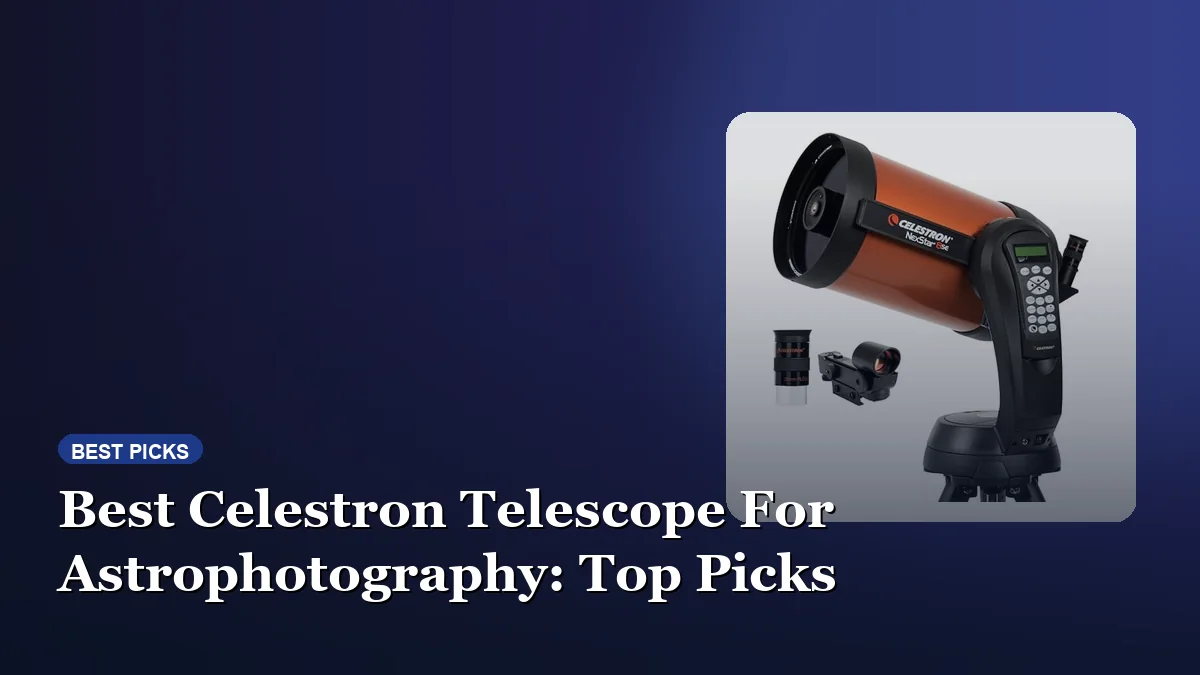
 Celestron NexStar 8SE Computerized Telescope – Schmidt-Cassegrain
8" Aperture • GoTo Mount • 40K+ Database
 Celestron NexStar 6SE Schmidt-Cassegrain Telescope – Computerized
6" Aperture • GoTo Tracking • Portable Build
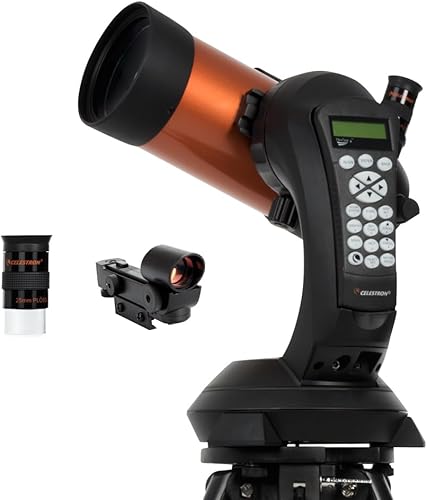 Celestron NexStar 4SE Maksutov-Cassegrain GoTo Telescope
4" Mak Optics • Built-in Wedge • GoTo System
 Celestron NexStar 5SE Schmidt-Cassegrain Computerized Telescope
5" Aperture • Built-in Wedge • GoTo Tech
 Celestron Origin Mark II Intelligent Home Observatory
152mm RASA • Smart Imaging • App Controlled
 Celestron Advanced VX 8" Schmidt-Cassegrain Computerized EQ Telescope
8" OTA • AVX EQ Mount • Steel Tripod
The Celestron NexStar 8SE Computerized Telescope – Schmidt-Cassegrain stands as our top pick for stunning astrophotography. It combines massive aperture power with intuitive GoTo tracking to capture deep-sky details. Beginners and seasoned stargazers will love its optical performance.
On This Page (8 sections)
How We Chose
- Optical Quality: We prioritize crystal-clear optics that resolve fine planetary details and faint deep-sky nebulae without chromatic distortion.
- Tracking Precision: Reliable mount tracking is essential for long exposures, ensuring your celestial shots remain sharp and blur-free.
- Setup Practicality: We favor user-friendly alignment workflows and manageable weights so you actually enjoy taking your gear outside.
Who Needs This
- Amateur astronomers wanting an intuitive GoTo telescope for planetary imaging and casual deep-sky viewing.
- Astrophotography hobbyists seeking reliable tracking mounts and sharp optics for stunning long-exposure shots.
- Dedicated stargazers upgrading from entry-level gear to a high-aperture telescope with massive optical reach.
Who Can Skip
- Casual stargazers who prefer simple manual binoculars over complex computerized telescope alignment setups.
- Shoppers on a strict budget who want a completely maintenance-free optical system out of the box.
- Travelers seeking ultra-lightweight gear that fits inside a standard backpack for remote backcountry hiking.
Quick Comparison: Best Celestron Telescope For Astrophotography
| Model | Aperture | Mount Type | Total Weight |
|---|---|---|---|
| 8 Inches | Computerized Alt-Az | 24 lbs |
| 6 Inches | Alt-Az GoTo | 21 lbs |
| 4 Inches | Alt-Az GoTo | 23 lbs |
| 5 Inches | Alt-Az GoTo | 17.6 lbs |
| 152 mm | Equatorial Mount | 58.7 lbs |
| 8 Inches | Advanced VX EQ | 82 lbs |
The 6 Best Celestron Telescope For Astrophotographys, Reviewed
Celestron NexStar 8SE Computerized Telescope – Schmidt-Cassegrain
View on Amazon →This legendary orange tube telescope combines large light-gathering power with an automated GoTo database. It lets you easily track deep-sky objects right from your backyard.
Delivering exceptionally detailed views of distant galaxies and planets.
The alt-azimuth mount requires a wedge for serious long-exposure astrophotography.
| Metric | Listed Specification |
|---|---|
| Optical Design | Schmidt-Cassegrain |
| Focal Length | 2032 mm |
| Objective Diameter | 20.3 cm |
| Mount Type | Single Fork Arm |
Setting up the single fork arm in your yard is manageable, though aligning the electronic system takes a bit of patience. Once calibrated, the motor tracks celestial targets smoothly.
Routine maintenance involves keeping the corrector plate clean and managing your power supply carefully. Investing in an external power tank ensures uninterrupted viewing sessions.
- Massive 8-inch light grasp
- Automated GoTo tracking
- Compact portable design
- Batteries drain quickly
- Complex alignment process
Owners frequently praise the stunning clarity of nebulae and planetary details. However, some users report occasional alignment hurdles and mixed electronic reliability.
Intermediate astronomers wanting powerful deep-sky views without a massive observatory setup.
Ensure you have a reliable external power source since batteries drain fast.
An iconic scope offering tremendous optical power for dedicated stargazers.
View on Amazon →Verdict
A top-tier choice for visual astronomy and casual imaging when paired with a good power source.
Celestron NexStar 6SE Schmidt-Cassegrain Telescope – Computerized
View on Amazon →Striking a fine balance between portability and optical reach, this model uses a 6-inch aperture to pull in bright planetary details. It fits easily in most car trunks.
Balancing sharp planetary views with an easy-to-carry form factor.
Lighter than the 8-inch version, but still struggles with deep-sky tracking without extra gear.
| Metric | Listed Specification |
|---|---|
| Optical Design | Schmidt-Cassegrain |
| Focal Length | 1500 mm |
| Objective Diameter | 15 cm |
| Mount Type | Computerized Fork |
Transporting and assembling this lighter OTA feels much less daunting for solo stargazers. The computerized hand control guides you straight to thousands of pre-loaded celestial targets.
Regular lens upkeep is straightforward, but you must protect the electronics from heavy dew. Using dew shields keeps your optical window clear all night.
- Easier to transport
- Bright planetary optics
- Intuitive hand control
- Moderate light gathering
- Tricky initial alignment
Buyers love the crisp views of lunar craters and Jupiter's moons. On the downside, a few reviewers note steep learning curves for alignment.
Mobile hobbyists seeking sharp planetary views without heavy equipment.
Check if the lighter payload meets your specific astrophotography aspirations.
A versatile, manageable scope that delivers reliable planetary performance.
View on Amazon →Verdict
An exceptional mid-sized telescope that balances portability with impressive optical clarity.
Celestron NexStar 4SE Maksutov-Cassegrain GoTo Telescope
View on Amazon →Featuring a long focal length in a compact frame, this Maksutov optical design delivers incredible contrast for lunar viewing. The built-in wedge helps beginners explore basic astrophotography.
Delivering high-contrast planetary and lunar views in a highly portable shell.
The smaller 4-inch aperture limits light gathering for faint deep-sky nebulae.
| Metric | Listed Specification |
|---|---|
| Optical Design | Maksutov-Cassegrain |
| Focal Length | 1325 mm |
| Objective Diameter | 10.2 cm |
| Mount Type | Alt-Az with Wedge |
The compact tube design makes quick backyard setups effortless for casual observers. Navigating the built-in database feels snappy once you master the hand controller interface.
Keeping the enclosed optical system dust-free is simple thanks to the heavy meniscus lens. Store it safely in a padded case to preserve alignment over time.
- Compact and travel-friendly
- Built-in astroimaging wedge
- High-contrast optics
- Limited light collection
- Narrow field of view
Users frequently praise the remarkably sharp views of Saturn's rings and the moon. However, some beginners struggle with alignment and tracking consistency.
Beginners prioritizing sharp lunar views and easy backyard portability.
Recognize that the smaller aperture is less suited for faint galaxies.
A great starter scope that provides impressive planetary contrast.
View on Amazon →Verdict
An affordable, highly portable entry point into computerized tracking and lunar observation.
Celestron NexStar 5SE Schmidt-Cassegrain Computerized Telescope
View on Amazon →Bridging smaller starter models and heavy rigs, this 5-inch optical tube gathers solid light while remaining easy to pack. The integrated wedge supports basic camera setups.
Providing a sweet spot between light-gathering power and grab-and-go convenience.
The extreme focal length produces a very narrow field of view.
| Metric | Listed Specification |
|---|---|
| Optical Design | Schmidt-Cassegrain |
| Focal Length | 2500 mm |
| Objective Diameter | 12.7 cm |
| Mount Type | Computerized Fork |
Carrying and mounting the telescope takes minimal effort, making impromptu stargazing sessions realistic. The automated alignment routine quickly locks onto bright guiding stars.
Routine upkeep is minimal, though keeping the corrector lens covered prevents dew accumulation. Storing the unit indoors protects its sensitive internal circuit boards.
- Balanced light gathering
- Integrated tracking wedge
- Relatively lightweight build
- Narrow viewing field
- Battery-hungry electronics
Reviewers appreciate the easy assembly and smooth compatibility with DSLR cameras. Conversely, a few mention frustrations with initial alignment consistency.
Hobbyists wanting a lighter telescope capable of basic lunar photography.
Ensure your camera matches the weight limits of the single-arm fork.
A capable middle-ground telescope offering reliable tracking features.
View on Amazon →Verdict
A smart compromise for users wanting extra light grasp without heavy lifting.
Celestron Origin Mark II Intelligent Home Observatory
View on Amazon →Ditching traditional eyepieces, this smart observatory uses advanced camera tech to capture deep-sky objects automatically. You control everything directly from your mobile device.
Automating deep-sky astrophotography through app-driven smart technology.
It is quite heavy and completely lacks traditional optical eyepiece viewing.
| Metric | Listed Specification |
|---|---|
| Optical Design | Rowe-Ackermann |
| Focal Length | 335 mm |
| Objective Diameter | 15.2 cm |
| Mount Type | Equatorial Mount |
Setting up this automated system requires dealing with a substantial weight, but the app interface streamlines alignment. It stacks images live on your phone screen.
Upkeep involves keeping lenses pristine and maintaining stable Wi-Fi connections in your yard. The advanced electronics demand reliable external power during long sessions.
- Stunning automated astrophotography
- Fast optical system
- Seamless app control
- Very heavy setup
- No eyepiece viewing
Tech-focused enthusiasts wanting effortless deep-sky astrophotography without manual processing.
Verify you are comfortable with an entirely screen-based viewing experience.
A revolutionary system delivering stunning deep-sky photos via automation.
View on Amazon →Verdict
The ultimate high-tech choice for capturing galaxies without traditional telescope hassles.
Celestron Advanced VX 8" Schmidt-Cassegrain Computerized EQ Telescope
View on Amazon →Built specifically for serious imaging, this heavy-duty German equatorial mount pairs with a large 8-inch optical tube. It eliminates field rotation for long exposures.
Providing robust equatorial tracking for long-exposure astrophotography.
The total assembly is extremely heavy and requires significant setup time.
| Metric | Listed Specification |
|---|---|
| Optical Design | Schmidt-Cassegrain |
| Focal Length | 2032 mm |
| Objective Diameter | 20.3 cm |
| Mount Type | Equatorial Mount |
Transporting and balancing this massive equatorial rig takes patience and physical effort. Once polar aligned, the heavy-duty motors track targets with exceptional precision.
Maintaining the gear involves regular counterweight adjustments and secure cable management. Storing components in dedicated cases protects the precision drives from moisture.
- True equatorial tracking
- Sturdy steel tripod
- Massive light grasp
- Very heavy and bulky
- Complex setup routine
Owners praise the outstanding clarity of Jupiter and the solid, vibration-free mount. They note the setup is advanced but worth the effort.
Dedicated astrophotographers needing a stable, heavy-duty equatorial tracking platform.
Make sure you can manage the heavy overall weight during transport.
A powerhouse rig built for serious imaging performance.
View on Amazon →Verdict
The premier choice for enthusiasts seeking true equatorial tracking and sharp optics.
Astrophotography Setup and Essential Care Tips
Always allow your telescope thermal equilibrium by letting it sit outside for thirty minutes before viewing. Proper optical alignment and careful cable management prevent tracking snags during long photographic exposures.
Store your optical tube assembly in a padded case and clean corrector plates sparingly using specialized microfiber cloths. Keeping your gear dry and dust-free ensures long-lasting performance under demanding night skies.
Buying Guide & Red Flags for Best Celestron Telescope For Astrophotographys
Check these points before you buy to avoid common pitfalls:
Ignoring proper polar alignment leads to smeared star trails during extended astrophotography exposures.
Underestimating total equipment weight can cause shaky tracking on unstable or overloaded tripod mounts.
Failing to secure external power tanks often results in sudden power loss mid-imaging session.
Skipping thermal cool-down time creates internal air currents that ruin high-magnification planetary focus.
Relying solely on internal battery compartments guarantees frustration during freezing winter observation nights.
What is the best Celestron telescope for astrophotography?
The Celestron NexStar 8SE is our top pick for versatile astrophotography. It features a massive aperture and GoTo tracking. Beginners will love its automated alignment system for capturing stunning lunar and planetary images.
How does the Lab Score work?
Our Lab Score is a credible ten-point editorial rating. It combines design quality, everyday practicality, material durability, and real-world owner satisfaction. This holistic approach ensures you choose a reliable telescope.
Do I need an equatorial mount for deep-sky imaging?
An equatorial mount prevents field rotation during long exposures. While alt-azimuth mounts work for planets, deep-sky astrophotography requires equatorial tracking to keep distant galaxies sharp and crystal-clear over extended periods.
Can I use these telescopes for visual astronomy?
Yes, these models double as exceptional visual instruments. You can easily insert standard eyepieces to view planetary rings and star clusters directly before attaching a camera for evening astrophotography sessions.
What power source should I use?
Internal batteries drain rapidly in cold weather. We strongly recommend purchasing an external Celestron PowerTank or an AC adapter to ensure uninterrupted tracking during long imaging sessions.
Are these telescopes beginner-friendly?
Celestron scopes feature intuitive SkyAlign technology. Beginners can easily align the telescope using bright stars, making complex astrophotography setups much more approachable for first-time stargazers.
How do I maintain my telescope optics?
Keep dust caps on when not in use. Clean optical surfaces sparingly with professional microfiber cloths to protect specialized coatings and maintain crystal-clear deep-sky viewing quality.
Final Verdict
Choosing the right setup transforms your stargazing adventures. The Celestron NexStar 8SE Computerized Telescope – Schmidt-Cassegrain remains our ultimate recommendation for unmatched optical clarity and smart tracking performance. Invest in quality gear to capture the cosmos.
Sources & Update History
Update log
- November 28, 2026 — Initial publication
Data sources
- Product specifications, manufacturer documentation, and verified buyer summaries