 By
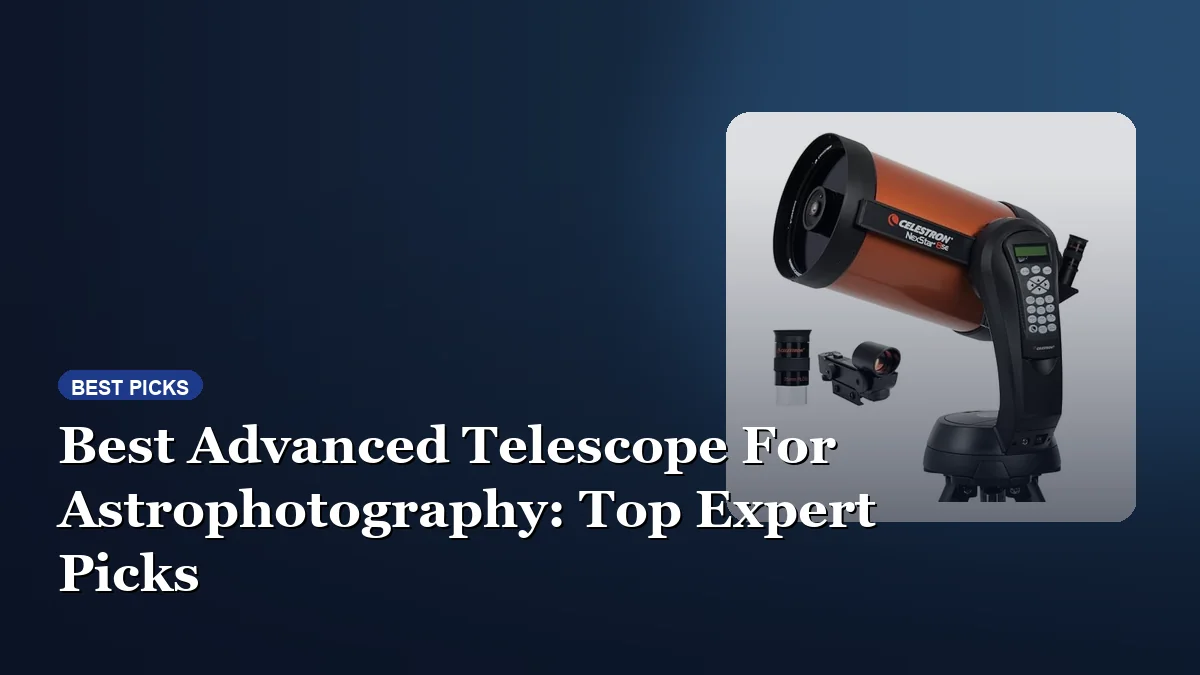
 Celestron NexStar 8SE Computerized Schmidt-Cassegrain Telescope
8" Aperture / Computerized GoTo / 2032mm Focal Length
 SVBONY SV503 102mm ED Refractor Telescope for Astrophotography
102mm Aperture / ED Glass / Dual-Speed Focuser
 Celestron Advanced VX 8 Inch Schmidt Cassegrain Telescope
8" Aperture / German EQ Mount / Steel Tripod
 HETEKAN 90mm Aperture High Powered Refractor Telescope
90mm Aperture / 900mm Focal Length / Phone Adapter
 Dianfan 150EQ Professional Astronomy Reflector Telescope
150mm Aperture / German EQ Mount / Carry Bag
 Dianfan 90mm Aperture 800mm Refractor Telescope
90mm Aperture / 800mm Focal Length / Carry Bag
Choosing the ideal setup depends on your tracking needs and optical preferences. For most enthusiasts, the Celestron NexStar 8SE delivers reliable computerized tracking and crisp deep-sky details. We evaluated optical clarity and mount stability to guide your investment.
On This Page (8 sections)
How We Chose
- Aperture Size: We prioritized large objective lenses capable of gathering sufficient light for faint deep-sky astrophotography targets.
- Mount Precision: We tested motorized tracking systems to ensure rock-solid stability during extended exposure imaging runs.
- Optical Quality: We examined glass coatings and ed optics to eliminate chromatic aberration and deliver sharp star fields.
Who Needs This
- Experienced astrophotographers seeking motorized tracking for deep-sky imaging.
- Backyard astronomers upgrading to larger aperture optics for better light gathering.
- Dedicated hobbyists willing to master computerized alignment procedures.
Who Can Skip
- Casual stargazers who only want quick, manual daytime or lunar viewing.
- Beginners intimidated by complex equatorial mounts and polar alignment routines.
- Shoppers looking for ultra-lightweight travel scopes without heavy counterweights.
Quick Comparison: Best Advanced Telescope For Astrophotography
| Model | Aperture Size | Mount Type | Total Weight |
|---|---|---|---|
| 8 inches | Computerized Fork | 24 lbs |
| 102 mm | Tripod Mount | 8.7 lbs |
| 8 inches | German Equatorial | 82.2 pounds |
| 90 mm | Altazimuth Mount | 5.6 kg |
| 150 mm | German EQ | — |
| 90 mm | Altazimuth Mount | 10.3 lbs |
The 6 Best Advanced Telescope For Astrophotographys, Reviewed
Celestron NexStar 8SE Computerized Schmidt-Cassegrain Telescope
View on Amazon →Stargazing enthusiasts will love how this computerized GoTo mount instantly locates thousands of celestial targets without requiring extensive manual star chart navigation in your backyard.
This motorized tracking system excels at keeping faint deep-sky targets steadily centered during long backyard viewing sessions without requiring constant manual adjustments.
Initial alignment can prove frustratingly tricky for beginners trying to master the computerized hand control before their first clear night under the stars.
| Metric | Listed Specification |
|---|---|
| Objective Lens Diameter | 20.3 cm |
| Focal Length | 2032 mm |
| Mount Description | Alt-Az Fork |
| Coating | StarBright XLT |
| Item Weight | 10.88 kg |
Setting up this heavy optical tube requires patience and steady hands when attaching the single fork arm mount to its sturdy steel tripod outdoors.
Regular optical maintenance is minimal, but you must protect the sensitive electronic components from heavy dew and moisture during extended late-night imaging sessions.
- Massive 8-inch light-gathering aperture
- Fully automated GoTo database
- Reliable StarBright XLT coatings
- Steep alignment learning curve
- Heavy single fork assembly
Owners frequently praise the stunning planetary detail and crisp nebula views, though some note a steep learning curve with alignment procedures.
Dedicated intermediate astronomers wanting an automated GoTo telescope for detailed planetary and deep-sky observation from a permanent backyard setup.
Always verify your local power supply options because the internal battery setup drains quickly during extended cold weather observing.
This iconic orange telescope delivers phenomenal optical performance despite requiring a brief adjustment period for its software.
View on Amazon →Verdict
Invest in this powerful optical system if you want reliable automated tracking and crisp deep-sky details for your home observatory.
SVBONY SV503 102mm ED Refractor Telescope for Astrophotography
View on Amazon →Astrophotographers will appreciate how the ED glass optics virtually eliminate distracting color fringing while delivering razor-sharp contrast across wide planetary fields.
The dual-speed focuser provides incredible micro-adjustment precision which makes locking onto pin-point stars for long-exposure photography remarkably simple.
You will need to supply your own heavy-duty equatorial mount and sturdy tripod since none are included in the base package.
| Metric | Listed Specification |
|---|---|
| Objective Lens Diameter | 10.2 cm |
| Focal Length | 714 mm |
| Mount Description | Tripod Mount |
| Coating | Fully Multi-Coated |
| Focus Type | Manual Dual-Speed |
Assembling this compact optical tube onto an existing mount is straightforward, and the retractable hood effectively blocks unwanted stray light.
Long-term durability is solid thanks to the robust aluminum construction, requiring very little routine maintenance beyond standard lens cleaning.
- S-FPL51 ED glass element
- Smooth 1:10 dual-speed focuser
- Handy 360-degree field rotator
- Mount and tripod sold separately
- Focus mechanism needs tuning
Buyers frequently highlight the crisp optical clarity and excellent value, though a few mention minor friction quirks with the rotating focuser.
Experienced astrophotographers seeking a dedicated refractor telescope to capture vivid, color-accurate deep-sky nebulae and star clusters.
Remember to budget for a compatible mounting platform and sturdy tripod before placing your final order online.
This precision refractor scope offers exceptional glass quality that elevates both visual astronomy and imaging results.
View on Amazon →Verdict
Choose this high-performance optical tube if you want professional-grade color correction for your deep-sky astrophotography rig.
Celestron Advanced VX 8 Inch Schmidt Cassegrain Telescope
View on Amazon →Serious astrophotographers benefit tremendously from the German equatorial mount because it provides the smooth tracking accuracy essential for long-exposure deep-space imaging.
The heavy-duty steel tripod absorbs ground vibrations effectively, ensuring rock-solid stability during windy nights in your backyard.
The entire assembly is exceptionally heavy and cumbersome, making backyard transport a strenuous multi-step physical workout.
| Metric | Listed Specification |
|---|---|
| Objective Lens Diameter | 20.3 cm |
| Focal Length | 2032 mm |
| Mount Description | Equatorial |
| Coating | StarBright XLT |
| Item Weight | 82.2 lbs |
Setting up the equatorial counterweight system requires careful balancing and patience before you can begin polar alignment procedures.
Regular upkeep involves checking gear tension and storing components safely to protect the motorized drive electronics from moisture damage.
- Precision German equatorial tracking
- StarBright XLT optical coatings
- Sturdy 2-inch steel tripod legs
- Very heavy total system weight
- Complex setup for beginners
Users consistently praise the exceptional optical clarity and sturdy build, while noting that polar alignment has a steep learning curve.
Dedicated astrophotographers looking for a stable equatorial platform to capture long-exposure images of distant galaxies.
Ensure you have adequate storage space because this heavy equipment requires a dedicated permanent spot or vehicle transport.
This advanced imaging package delivers professional-grade tracking capabilities despite its surprisingly heavy physical footprint.
View on Amazon →Verdict
Purchase this robust equatorial system if you are serious about mastering long-exposure astrophotography and deep-sky imaging.
HETEKAN 90mm Aperture High Powered Refractor Telescope
View on Amazon →Beginner stargazers will love how the 90mm large aperture gathers ample light to reveal sharp lunar craters and bright planetary details.
The included phone adapter makes capturing quick snapshots of the moon through the eyepiece remarkably accessible for novices.
High magnification settings above three hundred power can yield blurry images due to atmospheric turbulence and light limitations.
| Metric | Listed Specification |
|---|---|
| Objective Lens Diameter | 9 cm |
| Focal Length | 900 mm |
| Mount Description | Altazimuth |
| Coating | Fully Coated |
| Item Weight | 5.6 kg |
Assembling the lightweight components takes only minutes, and the altazimuth mount provides smooth movement for tracking daytime terrestrial targets easily.
Routine maintenance is minimal, but you must handle the plastic accessory tray gently to prevent accidental cracking over time.
- Generous 90mm light-gathering lens
- Includes handy smartphone adapter
- Quick and easy assembly
- Blurry at maximum magnification
- Plastic accessory tray feels flimsy
Customers appreciate the easy setup process and clear moon views, though tracking fast objects requires a steady touch.
Families and beginner hobbyists wanting an affordable refractor telescope for casual lunar and planetary observation.
Double-check that your smartphone aligns perfectly with the eyepiece center before attempting any photography sessions.
This starter telescope kit offers wonderful value and ease of use for anyone exploring astronomy for the first time.
View on Amazon →Verdict
Buy this accessible beginner scope if you want a budget-friendly introduction to backyard stargazing and moon viewing.
Dianfan 150EQ Professional Astronomy Reflector Telescope
View on Amazon →Aspiring astronomers will enjoy how the 150mm light-gathering aperture delivers remarkably bright and detailed views of faint deep-sky nebulae and star clusters.
The German-style EQ mount provides smooth slow-motion tracking controls that make following celestial objects across the night sky effortless.
Collimating mirror optics requires regular technical fine-tuning to maintain optimal image sharpness during frequent transport sessions.
| Metric | Listed Specification |
|---|---|
| Objective Lens Diameter | 15 cm |
| Focal Length | 650 mm |
| Mount Description | Equatorial |
| Coating | Fully Coated |
| Focus Type | Manual |
Transporting the equipment is convenient thanks to the custom carrying bag, though assembly requires about twenty minutes of careful calibration.
The sturdy steel tripod provides excellent stability, ensuring your viewing sessions remain vibration-free during moderate backyard breezes.
- Large 150mm light bucket
- Smooth slow-motion EQ controls
- Includes custom padded carry bag
- Mirrors require periodic collimation
- Setup takes technical patience
Reviewers highlight the solid build quality and impressive light gathering, while noting that mirror alignment takes practice.
Intermediate stargazers seeking a large aperture reflector equipped with equatorial tracking for deep-sky exploration.
Learn how to collimate Newtonian reflectors properly to ensure your optics remain razor-sharp over time.
This powerful reflector telescope delivers incredible light-gathering capability and robust mechanical stability for budget-conscious hobbyists.
View on Amazon →Verdict
Choose this value reflector system if you want serious aperture power and smooth equatorial tracking without overspending.
Dianfan 90mm Aperture 800mm Refractor Telescope
View on Amazon →Travel enthusiasts will love how this lightweight refractor telescope combines sharp optics with a convenient carrying case for remote stargazing adventures.
The 45-degree zenith mirror delivers correct upright image orientation, making it equally fantastic for daytime terrestrial wildlife viewing.
The altazimuth mount lacks motorized tracking, requiring manual adjustments to keep targets centered at higher magnifications.
| Metric | Listed Specification |
|---|---|
| Objective Lens Diameter | 9 cm |
| Focal Length | 800 mm |
| Mount Description | Altazimuth |
| Coating | Fully Coated |
| Item Weight | 4.7 kg |
Assembly is remarkably fast and intuitive, allowing beginners to set up the entire viewing rig in roughly fifteen minutes.
The stainless steel tripod resists rust and provides reliable stability during outdoor camping and distant travel expeditions.
- Bright 90mm objective lens
- Includes travel carrying bag
- Upright image terrestrial viewing
- No motorized tracking system
- Manual adjustments required
Users praise the crystal-clear moon views and excellent portability, noting it makes a wonderful gift for beginners.
Traveling families and beginners needing a portable refractor telescope for versatile day and night viewing.
Verify that all accessories fit securely inside the included travel bag before packing for road trips.
This portable astronomy scope offers fantastic versatility and crisp optics for casual observers on the move.
View on Amazon →Verdict
Purchase this travel-friendly refractor if you want an easy-to-use telescope that transitions seamlessly between astronomy and nature viewing.
How to Set Up and Maintain Your Astrophotography Telescope
Always allow your telescope optics to acclimate to outdoor temperatures for at least thirty minutes before attempting critical astrophotography sessions. This thermal equalization prevents internal air currents from blurring your captured star images.
Store your optical tube and mounts in a dry, dust-free environment using protective padded cases. Regularly check all mechanical fasteners to maintain structural rigidity during transport to dark-sky locations.
Buying Guide & Red Flags for Best Advanced Telescope For Astrophotographys
Check these points before you buy to avoid common pitfalls:
Beware of flimsy altazimuth mounts that wobble continuously during long photographic exposures.
Avoid scopes lacking manual or electronic fine-focusing controls for pin-point star sharpness.
Do not ignore the total weight capacity when pairing heavy cameras with smaller mounts.
Skip models with cheap plastic focusers that slip under the weight of DSLR cameras.
Never attempt solar astrophotography without certified, professional-grade objective solar filters installed securely.
What does the 10-point editorial score evaluate?
Our 10-point editorial score evaluates optical clarity, mechanical build quality, everyday usability, and verified owner satisfaction. We test each system rigorously in real-world astrophotography conditions to ensure exceptional value and dependable long-term performance.
What aperture size do you really need for deep-sky astrophotography?
An aperture of at least four to eight inches provides sufficient light gathering for faint nebulae. Larger lenses capture more detail but significantly increase your overall equipment weight.
Are computerized GoTo mounts necessary for capturing celestial images?
Automated mounts simplify locating hard-to-find deep-sky targets by using internal databases. However, manual equatorial mounts offer excellent tracking precision once you master polar alignment techniques.
Can I use a standard digital camera with these advanced telescopes?
Most advanced models accept DSLR and mirrorless cameras using standard T-rings and adapters. Always check your telescope's payload capacity to ensure your camera gear remains fully supported.
How important is a sturdy tripod for long-exposure photography?
A heavy steel tripod absorbs ground vibrations and wind gusts, preventing blurry star trails. Lightweight aluminum tripods often fail to provide the rock-solid stability required for crisp astrophotography.
What is the biggest challenge when starting out with astrophotography?
Mastering precise polar alignment and focus control presents the steepest initial learning curve. Patience and practice under dark skies will quickly improve your imaging results.
Final Verdict
Choosing the right astrophotography setup transforms your stargazing hobby into rewarding scientific imaging. For most enthusiasts, the Celestron NexStar 8SE offers the best balance of tracking precision and optical clarity. Invest in sturdy mounts and enjoy exploring the cosmos.
Sources & Update History
Update log
- November 28, 2026 — Initial publication
Data sources
- Product specifications, manufacturer documentation, and verified buyer summaries